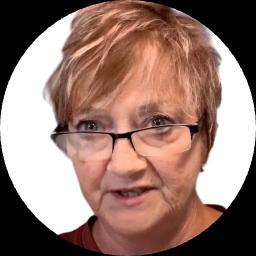
About Sharon
Sharon Pluck is a licensed clinical social worker with 15 years of experience helping people manage stress and anxiety. She focuses on practical, person-centered care and listens first to understand each person's story. Her approach emphasizes strengths and small steps toward change.
People come to her for many reasons, including depression, relationship struggles, grief, trauma and abuse, and issues around intimacy or parenting. She also supports those facing addictions, career changes, anger, low self-esteem, and compassion fatigue.
Background and approach
Gender dysphoria and LGBT concerns are listed among her focus areas. Sharon blends several approaches to fit each person’s needs. She uses client-centered methods to build a respectful, nonjudgmental space.
Cognitive Behavioral Therapy techniques help identify and shift thinking patterns that feed anxiety and low mood. Motivational Interviewing and solution-focused work are part of her toolkit when people want clearer short-term goals or help finding motivation to change. Mindfulness practices are offered to improve moment-to-moment coping and reduce stress.
Sharon talks through concrete skills and homework when that will help people move forward. Her style is straightforward and supportive. She encourages small, manageable steps and adjusts pacing to match what each person can handle.
Sharon works from New Jersey and conducts sessions in English.
Therapeutic approaches adapted for online care
Sharon commonly uses client-centered work to create a respectful, listening-based space. This approach focuses on understanding each person's experience and building on their strengths to set goals and make changes. Cognitive Behavioral Therapy is another frequent tool; it helps people notice patterns in thoughts and behaviors and then practice new skills to reduce anxiety or low mood.Finding the right approach is a collaborative process. Sharon will talk with each person about what feels most useful and tailor sessions to their goals and pace. Together they decide whether to focus on skills practice, short-term solutions, motivation work, or mindfulness exercises depending on needs and preferences.
Online sessions offer flexibility and practical benefits. Video calls allow face-to-face conversations when bandwidth permits, while phone sessions work well when a camera is not needed or bandwidth is limited. Live chat and text-based messaging are useful for brief check-ins, ongoing support between meetings, or people who prefer typing. These formats make it easier to fit therapy into work, family, or school schedules and to continue care from different locations.
Questions people ask
What kinds of concerns does she address?
What is her general therapy style?
How much experience does she have?
What credentials and location apply to her practice?
In which languages are sessions offered?
Can people outside the United States work with her?
What session formats does she use?
How does cost and getting started work?
What this therapist works with
Most often
Also listed
- Anger management
- Career difficulties
- Compassion fatigue
- Coping with life changes
- Depression
- Family conflicts
- Gender dysphoria
- Grief
- Intimacy-related issues
- Parenting issues
- Relationship issues
- Self esteem
- Trauma and abuse
Therapeutic approaches
- Experience
- 15 years
- Licensed
- New Jersey
- Languages
- English
We will earn a commission if you sign up through our link, at no cost to you.