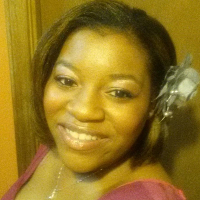
About Shakea
Shakea Roper is a Licensed Clinical Social Worker (LCSW) with 14 years of experience helping people manage anxiety, stress, mood swings, and life transitions. She aims to create a direct, compassionate space where clients can speak honestly and work toward change.
She draws on practical, evidence-informed methods like Cognitive Behavioral Therapy and Dialectical Behavior Therapy to help people spot unhelpful thinking and develop coping skills. Sessions are conversational and goal-focused, with simple steps to try between meetings.
Background and approach
Shakea’s experience includes assisting people facing depression, bipolar mood challenges, panic attacks, addiction, grief, trauma, and low self-esteem. She also supports people navigating relationship and family difficulties, blended family concerns, codependency, and communication problems. Her approach emphasizes real-world solutions that fit each person’s life.
People who work with her can expect a mix of listening, gentle challenge, and practical planning. She uses Motivational Interviewing when people want help with substance use or behavior change, and Solution-Focused Therapy to identify immediate, achievable goals. Shakea practices in Missouri and holds both LCSW and LSCSW credentials.
She offers sessions by video call, phone, live chat, and text messaging. Therapy subscriptions can be canceled at any time, and scheduling follows the usual matching and appointment steps on the site.
How her approaches translate to online care
Client-Centered Therapy focuses on listening and building rapport so the person sets the pace and goals; it helps when someone needs a supportive space to understand their feelings. Cognitive Behavioral Therapy (CBT) teaches practical skills to recognize and change unhelpful thoughts and behaviors, which can reduce anxiety and improve daily functioning. Dialectical Behavior Therapy (DBT) adds emotion regulation skills and distress tolerance techniques, useful for intense mood swings and panic symptoms.Choosing the right approach is a collaborative process. The therapist will talk with the client about goals, try techniques that fit those goals, and adjust plans if something isn't working. That means sessions can shift between exploring feelings, practicing coping skills, or focusing on short-term solutions based on what helps most.
Online formats include video calls, phone sessions, live chat, and text-based messaging. Video sessions are good for full conversations and visual cues. Phone sessions can work when bandwidth is limited or a quieter check-in is needed. Live chat and messaging let people share shorter updates, ask questions between sessions, or follow up on tools learned in therapy. These options support flexibility and help therapy fit into busy lives.
Questions people ask
What concerns does she help with?
What is her general therapy style?
How much clinical experience does she have?
What credentials and where is she based?
Which languages are offered and are international clients accepted?
What session formats are available?
How is cost handled?
How do I begin working with her?
What this therapist works with
Most often
- Stress, Anxiety
- Bipolar disorder
- Depression
Also listed
- Addictions
- ADHD
- Blended family issues
- Codependency
- Commitment issues
- Communication problems
- Compassion fatigue
- Coping with life changes
- Domestic violence
- Drug and alcohol addiction
- Emptiness
- Family conflicts
- Family of origin issues
- Family problems
- Forgiveness
- Grief
- Money and financial issues
- Mood disorders
- Panic disorder and panic attacks
- Relationship issues
- Self esteem
- Self-love
- Trauma and abuse
- Women's issues
- Workplace issues
Therapeutic approaches
- Experience
- 14 years
- Licensed
- Kansas, Missouri, North Dakota, Utah, Pennsylvania, Nevada
- Languages
- English
We will earn a commission if you sign up through our link, at no cost to you.