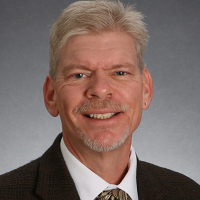
About Sean
Sean Evans is a Licensed Professional Counselor (LPC) and a Licensed Professional Clinical Counselor (LPCC) with 16 years of clinical experience. He practices in New Mexico and focuses on anxiety, trauma, depression, and stress-related concerns. Sean describes his work as collaborative and skill-based, helping people build practical strategies for everyday life.
He draws on a long background that includes pastoral ministry and roles in schools, residential treatment, and outpatient settings.
Background and approach
That variety informs how he talks through problems and tailors interventions to each person. He has worked with people facing grief, relationship strain, parenting stress, and many mood-related challenges. Sean often uses approaches that help people change thoughts and actions, tell and reframe difficult life stories, and process traumatic memories.
He emphasizes simple, teachable skills that can be practiced between sessions. The aim is to support coping and gradual change rather than to label or fix someone. In sessions he tends to be direct, warm, and practical.
He helps people who feel overwhelmed by anxiety or who are recovering from loss or abuse. He also supports those dealing with career shifts, caregiving burdens, impulsivity, and first responder stress. Sean offers work suited to different rhythms of life, including short skill-focused meetings and longer therapy for deeper issues.
He is available to work with clients in English and accepts international clients for online services.
How these approaches work online
Client-Centered Therapy focuses on listening and understanding the person’s perspective. The therapist provides empathy and reflective feedback to help people feel heard and to build self-direction. Cognitive Behavioral Therapy, or CBT, identifies unhelpful thought and behavior patterns and teaches practical strategies to change them; it is often used for anxiety, depression, and stress. Eye Movement Desensitization and Reprocessing, EMDR, helps people process traumatic memories through structured phases that can reduce the emotional intensity of those memories.Choosing the right approach is a collaborative process. The therapist will talk with the client about their current concerns, goals, and preferences, and then recommend methods that fit their needs. Together they can try skills-based work, narrative reframing, or trauma processing and adjust the plan as progress is made.
Online therapy offers flexibility in how people meet. Video calls let therapists and clients work face-to-face when visual cues help. Phone sessions use less bandwidth and can be easier during a busy day. Live chat and text-based messaging enable short check-ins, brief coaching, and ongoing skill reminders between appointments. These options make it easier to fit therapy into work, caregiving, or travel schedules.
Questions people ask
What concerns does Sean commonly address?
What is his therapy style like?
How long has he been practicing?
Where is he licensed and based?
Which languages are supported for sessions?
What formats are available for meeting online?
How does cost and billing work?
How do I begin working with him?
What this therapist works with
Most often
Also listed
- ADHD
- Anger management
- Bipolar disorder
- Blended family issues
- Career difficulties
- Caregiver issues and stress
- Coaching
- Codependency
- Compassion fatigue
- Coping with life changes
- Coping with natural or human-caused disaster
- Depression
- Eating disorders
- Family conflicts
- Family of origin issues
- Family problems
- First responder issues
- Impulsivity
- Intimacy-related issues
- LGBT
- Men's issues
- Midlife crisis
- Mood disorders
- Parenting issues
- Post-traumatic stress
- Relationship issues
- Self esteem
- Sexual assault and abuse
- Sleeping disorders
- Veteran and Armed Forces Issues
Therapeutic approaches
- Experience
- 16 years
- Licensed
- Colorado, New Mexico
- Languages
- English
We will earn a commission if you sign up through our link, at no cost to you.