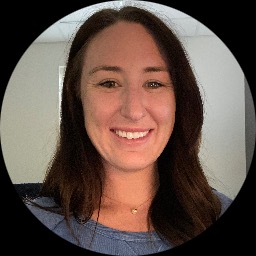
About Samantha
Samantha Norton is a licensed mental health counselor who focuses on helping people manage stress and anxiety. She keeps sessions direct and down-to-earth. Sam aims to create a calm space where people can talk through what feels overwhelming and start making small changes.
She uses practical skills to address anxiety, depression, and struggles with self-esteem. Sam also supports those dealing with addictions, panic attacks, and the impact of past trauma.
Background and approach
Conversations often include simple tools to reduce distress and steps to handle difficult moments more easily. Sam draws on client-centered practices that prioritize each person’s goals and perspective. She blends that with cognitive behavioral ideas to spot unhelpful thinking and try different behaviors.
Mindfulness and elements of dialectical behavior therapy are woven in to help with emotion regulation and staying grounded in the present. Her style is collaborative and straightforward. Sessions commonly involve talking, practicing new skills, and setting brief goals between meetings.
Sam encourages regular check-ins on progress so plans can be adjusted as needs change. Sam holds a Florida LMHC, and she brings six years of professional experience to her work. She provides care in English and offers several online session formats for people who need flexibility.
The focus is on practical steps that fit day-to-day life.
Approaches that translate to online care
Client-centered therapy focuses on listening and building a working relationship that reflects each person’s goals and values. In practice this means sessions start with what matters most to the client and adapt to their pace and priorities.Cognitive behavioral therapy, or CBT, identifies unhelpful thoughts and tests new behaviors to reduce anxiety and depression. It often uses short exercises and between-session practice to build new habits.
Dialectical behavior therapy, or DBT, teaches concrete skills for managing intense emotions and improving interpersonal effectiveness. Skills work can help with impulsivity, anger, and emotional overwhelm.
Finding the right approach is part of the work. The therapist will collaborate with each person to choose methods that match their goals, preferences, and day-to-day needs. Plans can be adjusted as progress is reviewed.
Online sessions are offered by video call, phone, live chat, or text-based messaging to create flexibility. Video is useful for more interactive skills practice, phone calls can be simpler when bandwidth is limited, and messaging or chat can fit quick check-ins or brief exercises. These options make it easier to fit therapy into work, family, and other commitments while still practicing the approaches described above.
Questions people ask
What concerns does she help with?
What is her approach in sessions?
How much clinical experience does she have?
Where is she licensed and located?
Which languages are supported for sessions?
Can people outside the U.S. work with her?
What session formats are available online?
How do I sign up to begin therapy?
What this therapist works with
Also listed
- Anger management
- Bipolar disorder
- Communication problems
- Coping with life changes
- Depression
- Drug and alcohol addiction
- Family conflicts
- Guilt and shame
- Impulsivity
- LGBT
- Panic disorder and panic attacks
- Post-traumatic stress
- Relationship issues
- Self esteem
- Self-love
Therapeutic approaches
- Experience
- 6 years
- Licensed
- Florida
- Languages
- English
We will earn a commission if you sign up through our link, at no cost to you.