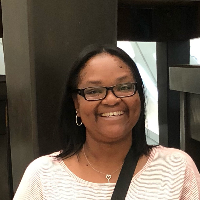
About Rhonda
Dr. Rhonda Carter is a Licensed Professional Counselor in Virginia who focuses on helping people manage stress and anxiety. She uses straightforward conversation to help clients make small, practical changes.
Her style is calm and attentive, aimed at helping people feel more capable day to day. She brings 16 years of experience working in community mental health and crisis settings. That background gives her practical skills for supporting people through big life transitions, grief, and relationship strain.
Background and approach
She also works with concerns such as depression, trauma and abuse, ADHD, and issues related to sexuality and LGBT matters. In sessions she draws on approaches like Cognitive Behavioral Therapy, Acceptance and Commitment Therapy, and Client-Centered methods. That means clients can expect work on thoughts and behaviors, attention to values and goals, and a respectful, nonjudgmental space to talk.
She also uses mindfulness and motivational interviewing to support coping and motivation. Rhonda helps people navigate parenting and blended family challenges, communication problems, and money or career stress. Her practice also includes support around aging and geriatric issues, cancer-related stress, and mood disorders such as bipolar disorder.
Her sessions are offered in English and are available through several remote formats. Prospective clients complete a short matching questionnaire to get started and then schedule sessions that fit their needs.
Approaches you can use in online sessions
Acceptance and Commitment Therapy (ACT) focuses on helping people notice what matters to them and take small steps toward those values even when strong feelings are present. It is useful for anxiety, life transitions, and coping with ongoing stress. Cognitive Behavioral Therapy (CBT) looks at the connections between thoughts, feelings, and actions and uses practical exercises to change unhelpful patterns. It works well for anxiety, depression, and stress management. Client-Centered Therapy emphasizes a respectful, nonjudgmental conversation where the therapist follows the client's pace and priorities, which can help people feel heard and more able to make changes.Finding the right mix of methods is part of the work together. The therapist will talk with each person about goals, try different techniques, and adjust approaches based on what feels most helpful. That collaborative process helps clients shape a plan that fits their needs and preferences.
Online sessions are offered by video call, phone, live chat, or text-based messaging. Video calls are good for a full session with face-to-face interaction. Phone sessions work well when bandwidth is limited or a client prefers not to be on camera. Live chat and text messaging can fit quick check-ins, short steering conversations, or ongoing support between longer sessions. These options make it easier to fit therapy around work, school, caregiving, or other responsibilities.
Questions people ask
What concerns does she commonly help with?
What is her general therapy style?
How much clinical experience does she have?
What credential does she hold and where is she based?
Which languages are sessions offered in?
What session formats are available?
How does pricing work for sessions?
How do I begin working with her?
What this therapist works with
Most often
- Stress, Anxiety
- LGBT
- Family conflicts
Also listed
- ADHD
- Aging and geriatric issues
- Anger management
- Bipolar disorder
- Blended family issues
- Cancer
- Career difficulties
- Commitment issues
- Communication problems
- Coping with life changes
- Depression
- Divorce and separation
- Family problems
- Forgiveness
- Grief
- Money and financial issues
- Mood disorders
- Parenting issues
- Relationship issues
- Self esteem
- Sexuality
- Trauma and abuse
- Women's issues
Therapeutic approaches
- Experience
- 16 years
- Licensed
- Virginia
- Languages
- English
We will earn a commission if you sign up through our link, at no cost to you.