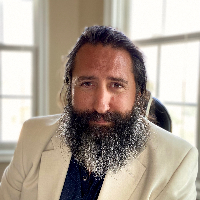
About Randolph
Prof. Randolph (Randy) Beasley is a Licensed Marriage and Family Therapist (LMFT) based in California. He brings five years of clinical experience and a background that includes ministry, education, and community mental health roles.
Randy focuses on practical, goal-oriented work that helps people manage stress and anxiety and cope with life changes. He uses clear, straightforward methods in sessions. Conversations focus on identifying patterns, setting achievable goals, and practicing new ways of thinking and behaving.
Background and approach
Clients can expect a collaborative tone where goals are set together and progress is measured in concrete steps. Randy draws on client-centered principles to keep sessions grounded in each person’s experience. He incorporates cognitive behavioral techniques to address unhelpful thoughts and behaviors.
He also uses elements of dialectical behavior therapy and existential ideas when they fit the client’s concerns. His background includes work in community clinics, substance use treatment, foster services, and a state hospital and jail settings. Earlier roles as a pastor and camp director shaped his skill in teaching and curriculum development, which he brings to psychoeducation and skill-building in therapy.
Randy commonly helps people with anxiety, depression, relationship challenges, addiction, trauma and abuse, grief, parenting strain, and self-esteem concerns. He also supports those facing career shifts, compassion fatigue, and questions around intimacy. His approach emphasizes taking responsibility, reducing fear, and making steady changes that improve day-to-day life.
How Randy’s Approaches Work Online
Client-centered therapy focuses on your experience and priorities. The therapist listens closely, reflects what matters to you, and helps you find your own solutions. This approach is useful when someone needs empathy, clearer self-understanding, and support setting personal goals.Cognitive behavioral therapy (CBT) focuses on identifying unhelpful thoughts and changing patterns of behavior. It uses practical exercises and homework to reduce anxiety and improve mood, and it works well for stress, panic, and repetitive negative thinking.
Dialectical behavior therapy (DBT) offers skills for regulating emotions, tolerating distress, and improving relationships. It can help when strong emotions, impulsive behavior, or relationship conflicts get in the way of daily life.
Finding the right approach is a collaborative process. The therapist will discuss your goals, try techniques that fit your needs, and adjust the plan as you progress. You and the therapist decide together which tools to use and when to shift focus.
Online therapy offers flexibility in how and when sessions happen. Video calls allow a near face-to-face conversation, phone sessions are useful when bandwidth is limited, live chat supports shorter check-ins, and text messaging can keep work moving between appointments. These options make it easier to fit therapy into a busy schedule and to keep steady progress regardless of location.
Questions people ask
What kinds of problems does he help with?
How would you describe his therapy style?
What is his professional background?
What credentials and location are listed?
Can sessions be conducted in other countries or languages?
Which session formats are available?
How are fees and billing handled?
What should I do to begin therapy?
What this therapist works with
Most often
- Stress, Anxiety
- Relationship issues
- Bipolar disorder
Also listed
- Abandonment
- Addictions
- ADHD
- Anger management
- Antisocial personality
- Avoidant personality
- Blended family issues
- Body image
- Career difficulties
- Caregiver issues and stress
- Coaching
- Codependency
- Commitment issues
- Communication problems
- Compassion fatigue
- Coping with life changes
- Depression
- Disruptive Mood Dysregulation Disorder (DMDD)
- Divorce and separation
- Drug and alcohol addiction
- Eating disorders
- Emptiness
- Family conflicts
- Family problems
- Fatherhood issues
- First responder issues
- Forgiveness
- Grief
- Guilt and shame
- Impulsivity
- Infidelity
- Intimacy-related issues
- Isolation / loneliness
- Jealousy
- Men's issues
- Midlife crisis
- Mood disorders
- Multicultural concerns
- Narcissism
- Parenting issues
- Personality disorders
- Process addiction (porn, exercise, gambling)
- Seasonal Affective Disorder (SAD)
- Self esteem
- Self-harm
- Self-love
- Sexual assault and abuse
- Sexual dysfunction
- Sexuality
- Trauma and abuse
- Workplace issues
- Young adult issues
Therapeutic approaches
- Experience
- 5 years
- Licensed
- California, Alaska
- Languages
- English
We will earn a commission if you sign up through our link, at no cost to you.