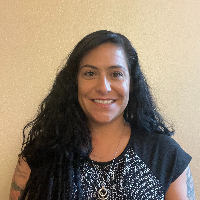
About Rachel
Rachel Williams is a licensed clinical social worker (LCSW) practicing in Utah. She brings three years of clinical experience and focuses on anxiety alongside a wide range of concerns such as stress, depression, parenting challenges, addictions, and trauma-related issues. Rachel aims to make therapy clear and practical for people who are anxious or overwhelmed.
She favors a straightforward, collaborative style. Sessions are conversational and goal-oriented. Rachel listens for what matters most and helps clients try small changes that can make daily life easier.
Background and approach
She works with issues like coping with life changes, low self-esteem, grief, and intimacy-related struggles. Rachel uses several therapy approaches to match each person’s needs. She draws from client-centered methods to follow the client’s lead, cognitive behavioral ideas to spot and shift unhelpful thinking, and attachment-based ideas to look at close relationships and patterns.
She also uses mindfulness techniques and EMDR for trauma work when appropriate. Her background includes hands-on jobs and childcare roles that shaped a down-to-earth outlook. That experience helps her relate to people from many walks of life and to keep sessions practical and approachable.
Rachel aims to offer a calm space for people who feel stuck or alone. Therapy with Rachel begins with a short intake to identify goals and preferences. She then helps people choose strategies that fit their daily lives, with an emphasis on small steps and steady progress.
Approaches that shape online sessions
Rachel often blends client-centered work and cognitive behavioral ideas during online sessions. Client-centered therapy emphasizes a listening, nonjudgmental stance where the therapist follows the client’s lead to identify priorities and build motivation. Cognitive behavioral therapy focuses on spotting thought and behavior patterns and testing small experiments to reduce anxiety and improve daily functioning.She also brings attachment-based thinking into conversations about close relationships and patterns that repeat over time. That perspective helps people see how early relationship experiences affect current reactions and guides practical steps to change interaction habits. Choosing an approach is a collaborative process - Rachel will work with each person to select methods that match their goals, needs, and comfort level rather than assuming one way fits everyone.
Online formats include video calls, phone sessions, live chat, and text-based messaging. Video calls are useful for deeper conversation and visual cues, phone sessions can work when bandwidth or camera use is difficult, live chat is a quicker way to check in, and messaging supports ongoing reflection between meetings. These options make it easier to fit therapy into busy schedules and different life routines.
Questions people ask
What kinds of concerns does Rachel help with?
What is her therapeutic style like?
How much clinical experience does she have?
Where is Rachel licensed and based?
Which languages are offered for sessions?
Can people outside the United States work with her?
What formats are available for online sessions?
How does payment and scheduling work?
What this therapist works with
Most often
- Stress, Anxiety
- Parenting issues
- Self esteem
Also listed
Therapeutic approaches
- Experience
- 3 years
- Licensed
- Utah
- Languages
- English
We will earn a commission if you sign up through our link, at no cost to you.