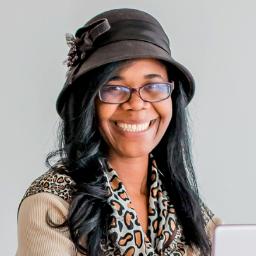
About Rachel
Rachel Washington-Childers is a Licensed Professional Counselor (LPC) based in Texas with three years of clinical experience. She emphasizes a warm, respectful approach and aims to make sessions feel welcoming and straightforward. Rachel focuses on helping people navigate stress and anxiety while also addressing grief, depression, and parenting concerns.
She uses practical methods to tailor care to each person. Sessions often include goal-setting and skills practice that can be used between meetings.
Background and approach
Rachel works with common issues like self-esteem, relationship strain, and life transitions, and she offers support for postpartum concerns and mood-related struggles. Her style is collaborative and down-to-earth. She listens first, then helps clients pick simple steps toward change.
Rachel values small, achievable goals and checks in on progress so work feels tangible rather than vague. Rachel draws on several therapy approaches to fit different needs. Cognitive Behavioral Therapy tools may be used to rethink unhelpful thought patterns.
Mindfulness techniques can help with stress and grounding in hard moments. Motivational interviewing and solution-focused strategies are used to find practical next steps and strengthen motivation. People who prefer clear goals and hands-on skills often find this approach useful.
Rachel aims to support parents and individuals through transitions and everyday challenges without jargon. Her practice centers on respect, sensitivity, and steady support while people work toward changes that matter to them.
How Rachel’s Approaches Work Online
Rachel commonly uses Cognitive Behavioral Therapy and Mindfulness Therapy in practical, online work. CBT focuses on identifying unhelpful thoughts and testing them with real-life experiments to reduce anxiety and improve mood. Mindfulness Therapy teaches simple attention and breathing practices to manage stress and become steadier in difficult moments.Finding the right approach is part of therapy itself. Rachel will talk with each client about goals and preferences and then try methods that fit those needs. She works collaboratively, adjusting techniques over time so sessions stay useful and relevant to everyday life.
Online formats include video calls, phone sessions, live chat, and text-based messaging. Video lets people work face-to-face when that helps. Phone sessions can be easier when bandwidth is low or when someone prefers not to be on camera. Live chat and text messaging allow short check-ins, quick problem-solving, or ongoing support between longer appointments. These options make it easier to fit therapy into busy lives and to keep working on skills between sessions.
Questions people ask
What concerns does Rachel commonly address?
How would you describe her therapeutic style?
What is her clinical background?
Where is she based and what are her credentials?
Which languages are supported and can international clients join?
What formats are available for sessions?
How are costs and billing handled?
What are the steps to begin working together?
What this therapist works with
Most often
- Stress, Anxiety
- Grief
- Parenting issues
Also listed
- Body image
- Commitment issues
- Communication problems
- Control issues
- Coping with life changes
- Depression
- Emptiness
- Forgiveness
- Impulsivity
- Isolation / loneliness
- Life purpose
- Money and financial issues
- Mood disorders
- Post-traumatic stress
- Postpartum depression
- Pregnancy and childbirth
- Relationship issues
- Self esteem
- Self-love
- Social anxiety and phobia
- Women's issues
- Young adult issues
Therapeutic approaches
- Experience
- 3 years
- Licensed
- Texas
- Languages
- English
We will earn a commission if you sign up through our link, at no cost to you.