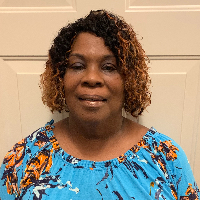
About Poythress
Poythress Mitchell is a Licensed Professional Counselor (LPC) based in Virginia with 27 years of experience in mental health. She combines practical skills with a straightforward, compassionate manner. People meet her when they need help with stress, anxiety, addiction, grief, or relationship challenges.
Her work draws on client-centered methods that let people lead the pace of change. She also uses cognitive behavioral techniques to identify unhelpful thinking and build new coping habits.
Background and approach
Dialectical behavior strategies and mindfulness practices are offered to help manage intense emotions and reduce reactivity. Mitchell has experience across many settings, including residential care, case management, outpatient services, in-home work, and addictions treatment. That range shaped a pragmatic style that focuses on clear goals and usable tools.
Sessions often include setting goals, learning coping skills, and practicing new behaviors between meetings. She also works with people who face life-stage and caregiving pressures, adoption and foster care concerns, blended family stress, and issues related to veterans and the armed forces. Those topics are part of a broader practice that addresses mood, trauma, and substance-related problems.
Poythress aims to be direct and nonjudgmental while offering guidance and support. New clients can expect session plans tailored to their needs and follow-up ideas to practice outside sessions.
Therapeutic approaches you can use online
Client-centered therapy focuses on listening and following the person's lead to build trust and identify what matters most. It helps people who feel stuck find their own direction and goals. Cognitive Behavioral Therapy, or CBT, looks at the link between thoughts, feelings, and actions and teaches concrete skills to change unhelpful thinking and behaviors. This approach is often used for anxiety, depression, and stress. Dialectical Behavior Therapy, or DBT, provides practical skills for emotion regulation, distress tolerance, and interpersonal effectiveness, which is useful when emotions feel overwhelming.Finding the best approach is a collaborative process. The therapist will discuss goals, preferences, and day-to-day challenges and together decide which methods to try first. Plans are adjusted over time based on what is working and what is not, so the path forward reflects the client's needs.
Online therapy offers several practical advantages. Video calls allow face-to-face work when visual cues help learning and practice. Phone sessions are an option when bandwidth or camera use is limited. Live chat and text-based messaging work for brief check-ins, journaling between sessions, or when writing feels easier than speaking. These formats make it simpler to fit therapy into a busy schedule and keep momentum between meetings.
Questions people ask
What concerns does this therapist address?
What is the therapist's general approach in sessions?
How much experience does the therapist have?
What credentials and location are listed?
Which languages and international options are supported?
What session formats are available?
How does cost work for sessions?
How do I begin working with this therapist?
What this therapist works with
Most often
- Stress, Anxiety
- Addictions
- Anger management
Also listed
- ADHD
- Adoption and foster care
- Aging and geriatric issues
- Bipolar disorder
- Blended family issues
- Career difficulties
- Caregiver issues and stress
- Depression
- Grief
- LGBT
- Parenting issues
- Relationship issues
- Self esteem
- Trauma and abuse
- Veteran and Armed Forces Issues
Therapeutic approaches
- Experience
- 27 years
- Licensed
- Virginia
- Languages
- English
We will earn a commission if you sign up through our link, at no cost to you.