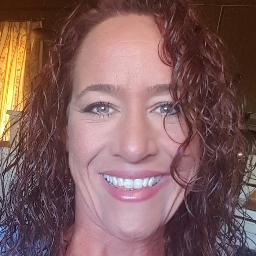
About Paula
Paula Patterson is a licensed clinical social worker with twenty years of hands-on experience. She helps people who are feeling overwhelmed by anxiety, stress, depression, and difficult relationship issues. Paula speaks plainly, listens closely, and focuses on practical steps people can try between sessions.
She often supports people coping with trauma, obsessive-compulsive patterns, self-harm concerns, and the emotional aftermath of sexual assault. Paula also helps those facing seasonal mood shifts, addiction struggles, or the strain of caregiving and compassion fatigue.
Background and approach
Her work includes attention to intimacy problems, jealousy, and career-related stress. Paula draws on a mix of therapy approaches to match what each person needs. She uses cognitive behavioral tools to spot unhelpful thinking, acceptance and commitment ideas to clarify values, and attachment-informed techniques to look at relationship patterns.
Dialectical skills and client-centered listening are woven into sessions when useful. In sessions Paula emphasizes clear, manageable goals. She helps people learn coping skills, practice new ways of responding, and track small changes over time.
Conversations are framed so people can try strategies in real life and then bring back results to work on. Paula practices in North Carolina as an LCSW - licensed clinical social worker. She offers therapy in English and uses a straightforward, compassionate style that aims to reduce overwhelm and build lasting skills.
Therapeutic approaches for online support
Acceptance and Commitment Therapy helps people clarify what matters to them and take small steps toward those values even when difficult feelings are present. It is often used for anxiety, depression, and life changes. Cognitive Behavioral Therapy focuses on identifying unhelpful thoughts and testing them with real-life experiments to reduce distress and change behavior.Paula will work collaboratively to find the best combination of approaches for each person. She listens to the goals and preferences presented, suggests options, and adjusts methods over time. Finding the right approach is a process she treats as a team effort so clients can try techniques and provide feedback.
Online therapy offers practical benefits for people juggling busy lives. Video calls allow face-to-face conversations when that helps build connection. Phone sessions can be a simpler option when bandwidth or visual focus is a concern. Live chat and text messaging make brief check-ins, skill practice, and scheduling easier between longer sessions. These formats make it simpler to fit therapy around work, caregiving, or travel while keeping progress steady.
Questions people ask
What concerns does Paula help with?
What is her therapy style like?
How much clinical experience does she have?
What credentials and region apply?
Which languages are supported?
What session formats are available?
How does billing and cost work?
How do I begin therapy with Paula?
What this therapist works with
Most often
- Stress, Anxiety
- Relationship issues
- Family conflicts
Also listed
- Addictions
- ADHD
- Anger management
- Bipolar disorder
- Career difficulties
- Compassion fatigue
- Coping with life changes
- Depression
- Grief
- Intimacy-related issues
- Jealousy
- LGBT
- Obsessions, compulsions, and OCD
- Parenting issues
- Personality disorders
- Seasonal Affective Disorder (SAD)
- Self esteem
- Self-harm
- Sexual assault and abuse
- Trauma and abuse
Therapeutic approaches
- Experience
- 20 years
- Licensed
- North Carolina
- Languages
- English
We will earn a commission if you sign up through our link, at no cost to you.