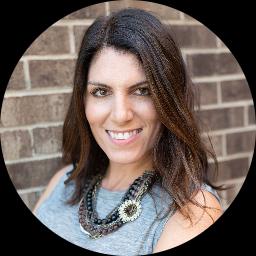
About Paula
Paula Grande is a licensed clinical social worker who focuses on helping people manage stress and anxiety. She uses straightforward conversation and practical tools to help people take steps toward feeling better. Paula works from a place of respect, sensitivity, and compassion in every session.
Paula adapts sessions to each person's needs. She listens first, then helps set small reachable goals. That can mean practicing new ways to handle worry, rethinking unhelpful thoughts, or talking through relationship tensions.
Background and approach
Sessions are aimed at real-life change rather than jargon or long lectures. Her background includes four years of professional experience working with mood concerns and life transitions. She also supports people facing LGBT-related challenges, struggles with loneliness, and the effects of caregiving or relationship breakups.
Paula helps people work through issues like shame, guilt, and feeling stuck in patterns that no longer serve them. Paula draws on approaches such as client-centered work and cognitive behavioral ideas to shape sessions. She uses Motivational Interviewing to help people clarify what they want and psychodynamic concepts to notice recurring themes from the past.
All of these tools are used in simple, practical ways during conversations. People meet Paula for short-term problem work and longer conversations about life purpose or midlife shifts. She aims to make therapy feel manageable and relevant, focusing on steps people can try between meetings.
How therapeutic approaches work online
Paula commonly combines client-centered work with cognitive behavioral therapy to guide online sessions. Client-centered therapy revolves around listening closely and following the client's pace, which helps people feel heard and understood during video or phone conversations. Cognitive behavioral therapy focuses on identifying unhelpful thinking and testing small behavior changes, which can be practiced between sessions and reviewed over chat or calls.Finding the right approach is part of the process. Paula will collaborate with each person to pick methods that fit their goals and comfort level. She uses short-term skill building when someone wants quick tools, and broader conversation when someone wants to explore patterns over time.
Online options include video calls, phone sessions, live chat, and text-based messaging. Video lets people see body language and hold longer therapy sessions. Phone sessions work well when bandwidth is limited or a quieter setting is needed. Live chat and text messaging are helpful for brief check-ins, reminders, or working through immediate coping steps. These choices make it easier to fit therapy into busy schedules and to continue progress between meetings.
Questions people ask
What kinds of concerns does Paula help with?
What is her therapeutic style like?
How much clinical experience does she have?
What are her credentials and where is she based?
Which languages are supported for sessions?
Can people outside the United States work with her?
What session formats does she offer?
How are costs handled and how do I begin?
What this therapist works with
Most often
- Stress, Anxiety
- LGBT
- Relationship issues
Also listed
- Abandonment
- Attachment issues
- Blended family issues
- Caregiver issues and stress
- Codependency
- Communication problems
- Control issues
- Coping with life changes
- Depression
- Divorce and separation
- Family problems
- Forgiveness
- Guilt and shame
- Isolation / loneliness
- Life purpose
- Midlife crisis
- Mood disorders
- Post-traumatic stress
- Self-love
- Sexuality
- Women's issues
- Workplace issues
Therapeutic approaches
- Experience
- 4 years
- Licensed
- New Jersey
- Languages
- English
We will earn a commission if you sign up through our link, at no cost to you.