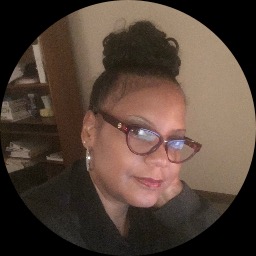
About Pamela
Pamela Ramsey is a Licensed Professional Counselor (LPC) based in Wisconsin. She brings a calm, practical style to sessions and focuses on helping people manage stress, anxiety, relationship and intimacy concerns, and self-esteem struggles. She emphasizes a client-centered approach that centers on the person's goals and strengths.
Sessions often include skill building and mindfulness exercises to help with day-to-day coping and motivation. Pamela also draws on cognitive behavioral ideas to help people notice unhelpful thought patterns and try different responses.
Background and approach
With six years of counseling experience, she has worked with people dealing with life transitions, mood concerns, phobias, postpartum depression, and issues like forgiveness, impulsivity, and infidelity. Pamela also supports people facing aging and geriatric challenges, blended family stress, communication problems, and separation or divorce concerns. Her style aims to create an open, nonjudgmental space where thoughts and feelings can be shared.
Practical tools, goal-focused conversations, and brief mindfulness practices are often part of the work. Pamela emphasizes steady progress and encouragement rather than quick fixes. Outside of counseling topics, she can help with smoking and vaping cessation and with exploring life purpose and self-love.
People who want a collaborative, skills-oriented approach may find her style a good fit.
Therapeutic approaches for online anxiety and relationship work
Acceptance and Commitment Therapy (ACT) focuses on helping people clarify what matters to them and take small, values-based steps despite uncomfortable thoughts or feelings. It can be useful for anxiety, stress, and life transitions where avoidance keeps people stuck.Client-Centered Therapy emphasizes a respectful, nonjudgmental relationship where the person sets the pace and topics. This approach supports people who need a listening space to sort through relationship or self-esteem concerns and build their own solutions.
Finding the right approach is usually collaborative. The therapist will talk with the person about goals, preferences, and how they respond to different techniques, then adapt tools and practices to fit. That process may include trying brief exercises and checking in on what helps most.
Online formats include video calls, phone sessions, live chat, and text-based messaging, which make it easier to fit therapy into busy lives. Video calls are good for face-to-face conversation and guided exercises, phone sessions work well when bandwidth is limited, live chat can be a quick check-in, and messaging supports ongoing reflection between sessions. These options help people access care with more scheduling flexibility and fewer travel demands.
Questions people ask
What concerns does Pamela often address?
What is her therapeutic style like?
How much counseling experience does she have?
Where is Pamela licensed and based?
Which languages are supported for sessions?
Can people outside the United States work with her?
What session formats does she use?
How does billing and starting therapy work?
What this therapist works with
Most often
- Stress, Anxiety
- Relationship issues
- Intimacy-related issues
Also listed
- Aging and geriatric issues
- Blended family issues
- Communication problems
- Control issues
- Coping with life changes
- Divorce and separation
- Domestic violence
- Forgiveness
- Impulsivity
- Infidelity
- Life purpose
- Mood disorders
- Phobias
- Postpartum depression
- Self esteem
- Self-love
- Smoking / vaping cessation
- Women's issues
- Workplace issues
Therapeutic approaches
- Experience
- 6 years
- Licensed
- Wisconsin, Arizona
- Languages
- English
We will earn a commission if you sign up through our link, at no cost to you.