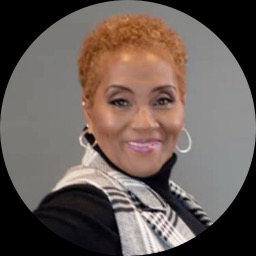
About Pamela
Pamela Peoples is a licensed clinical social worker who helps people manage anxiety, stress, depression, and big life transitions. She supports those struggling with focus and attention, grief, relationship strain, and the day-to-day demands of parenting and caregiving. Pamela uses a straightforward style in sessions.
She encourages open conversation and listens without judgment. Sessions focus on practical steps you can use between meetings to feel steadier and more able to cope.
Background and approach
Her approach often draws on cognitive behavioral therapy, which looks at how thoughts, feelings, and actions connect. That helps people try small experiments between sessions and notice what changes. Pamela also works with issues tied to trauma, addiction, chronic illness, and family stress using clear problem-solving and coping techniques.
She brings 16 years of professional experience as an LCSW in North Carolina. Pamela aims to create a calm, respectful space where people can talk through worries and build realistic plans for change. Her background includes helping people with career challenges, parenting concerns, and complex health-related stress.
People meet Pamela for short-term skill-building or longer work on deeper patterns. She explains options and helps each person choose steps that fit their life and goals. The focus is on what helps you function better day to day.
CBT and practical counseling through online sessions
Pamela uses cognitive behavioral therapy (CBT) in online work. CBT helps people notice unhelpful thought patterns and try new behaviors to reduce anxiety and improve mood. It often includes simple experiments and practice tasks to use between visits, which can help with stress, anxiety, and attention concerns.She favors a practical, collaborative approach. Together with each person she reviews goals, experiments with approaches, and adjusts the plan based on what works. Choosing the right approach is a joint process and she helps clients weigh options so the work fits their needs and daily life.
Online sessions are offered as video calls, phone sessions, live chat, or text-based messaging to make scheduling easier. Video is useful for deeper conversation and visual cues. Phone sessions can be a good choice when bandwidth is limited or for a shorter check-in. Live chat and messaging let people send updates or work through brief issues between longer sessions. These options aim to make therapy more flexible and easier to fit into a busy schedule.
Questions people ask
What concerns does Pamela address?
How would you describe her therapeutic style?
What is Pamela's professional background?
Where is she licensed and based?
Which languages are supported?
What session formats are available?
How is cost handled for therapy?
How do I begin working with her?
What this therapist works with
Most often
Also listed
- Abandonment
- ADHD
- Adoption and foster care
- Aging and geriatric issues
- Bipolar disorder
- Blended family issues
- Cancer
- Career difficulties
- Caregiver issues and stress
- Chronic pain, illness, and disability
- Co-morbidity
- Coaching
- Codependency
- Communication problems
- Coping with life changes
- Divorce and separation
- Domestic violence
- Drug and alcohol addiction
- Family conflicts
- Family problems
- Forgiveness
- Grief
- Guilt and shame
- HIV / AIDS
- Hospice and end-of-life counseling
- Intellectual disability
- Money and financial issues
- Panic disorder and panic attacks
- Parenting issues
- Relationship issues
- Self-love
- Trauma and abuse
- Women's issues
- Workplace issues
Therapeutic approaches
- Experience
- 16 years
- Licensed
- North Carolina
- Languages
- English
We will earn a commission if you sign up through our link, at no cost to you.