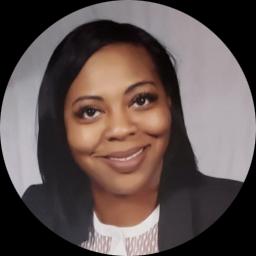
About Michelle
Michelle Leroy is a Licensed Professional Counselor (LPC) in Texas with four years of clinical experience. She supports people dealing with stress, anxiety, addictions, low self-esteem, depression, and attention concerns. Michelle focuses on practical steps clients can use day to day.
She emphasizes collaboration and respect for each person's strengths. Michelle works from a straightforward, goal-focused stance. Sessions aim to build small habits and clearer routines that reduce overwhelm and improve concentration.
Background and approach
She helps people talk through motivation struggles, memory and focus problems, and patterns that keep them stuck. Her approach treats setbacks as signals to try a new strategy rather than proof of failure. Michelle also addresses relational and identity concerns that show up around abandonment, attachment, codependency, or family of origin issues.
She listens for patterns and helps clients test different responses in real life. For people facing substance use or gambling problems, Michelle blends practical coping skills with planning for safer choices. She also addresses shame, guilt, and body image struggles with direct conversation and stepwise goals.
Her work includes help with hoarding behaviors and managing impulses tied to antisocial traits. Sessions are offered in English and can be scheduled to fit a client’s routine. Michelle treats each person as the expert of their story and supports them in making steady changes toward a more manageable life.
Therapeutic approaches and online care
Michelle uses evidence-based therapeutic techniques that focus on practical change. One approach emphasizes building small, repeatable habits to manage anxiety and improve concentration; clients practice tiny steps between sessions to make daily life easier. Another approach targets addictive behaviors through structured planning and coping skills, helping people create safer routines and clearer choices when cravings arise.Choosing the right approach is part of the work. The therapist will collaborate with each person to match techniques to their goals, needs, and preferences. That means trying options, checking what helps, and adjusting plans together rather than following a single method from the start.
Online therapy offers flexible ways to stay connected. Video calls are good for a fuller conversation and visual cues. Phone sessions work well when bandwidth is limited or a client prefers not to be on camera. Live chat and text-based messaging make brief check-ins or daily tracking easier and can fit around work or caregiving schedules. These formats let clients keep momentum and practice new skills between sessions.
Questions people ask
What concerns does she help with?
What is her therapeutic style like?
How much clinical experience does she have?
What credentials and region are listed?
Which languages are supported and can international clients connect?
What session formats are available?
How are fees handled?
How do I begin working with her?
What this therapist works with
Most often
Also listed
- Abandonment
- ADHD
- Antisocial personality
- Attachment issues
- Autism and Asperger Syndrome
- Body image
- Codependency
- Communication problems
- Control issues
- Depression
- Domestic violence
- Drug and alcohol addiction
- Family of origin issues
- Family problems
- Forgiveness
- Guilt and shame
- Hoarding
- Hospice and end-of-life counseling
- Impulsivity
- Infidelity
- Intellectual disability
- Isolation / loneliness
- Life purpose
- Money and financial issues
- Mood disorders
- Multicultural concerns
- Panic disorder and panic attacks
- Personality disorders
- Process addiction (porn, exercise, gambling)
- Self-harm
- Self-love
- Sexual assault and abuse
- Sexual dysfunction
- Smoking / vaping cessation
- Social anxiety and phobia
- Visually impaired
- Women's issues
- Workplace issues
- Experience
- 4 years
- Licensed
- Texas
- Languages
- English
We will earn a commission if you sign up through our link, at no cost to you.