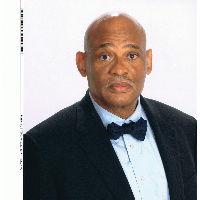
About Michael
Dr. Michael Mitchell is a licensed marriage and family therapist who focuses on helping people manage anxiety and stress. He works with adults on issues like depression, relationships, addiction, grief, and work-related concerns.
His style is warm and interactive, and he asks new clients to describe what brought them in with a few short sentences to begin the conversation. He uses practical tools from cognitive behavioral therapy to notice and change unhelpful thoughts and behaviors.
Background and approach
He also draws on solution-focused and humanistic ideas to set small, achievable goals and build on strengths. Sessions aim to produce concrete steps clients can try between meetings. Michael brings three years of clinical experience and holds the Georgia Licensed Marriage and Family Therapist credential, LMFT.
He has worked with people facing trauma, sexual problems, process addictions, caregiver stress, workplace issues, and multicultural concerns. He also supports those coping with abandonment, blended family challenges, and HIV/AIDS related issues. In sessions he combines talking, behavioral exercises, and problem-solving.
He may offer mindfulness practices and communication techniques when they fit a client's situation. The work is collaborative - goals and pace are set together. Michael offers sessions in English and accepts international clients.
Online options include video, phone, live chat, and text-based messaging. To begin, prospective clients complete a short matching questionnaire and schedule according to the therapist's availability.
Therapy approaches and online session options
Dr. Mitchell frequently uses cognitive behavioral therapy to help people spot unhelpful thinking patterns and try different behaviors. CBT often focuses on practical exercises and step-by-step changes that can reduce anxiety and improve mood.He also applies solution-focused methods that zero in on specific goals and small changes. That approach can help when someone wants quick, concrete steps for coping with stress, workplace issues, or relationship concerns.
Finding the right approach is part of the work. The therapist collaborates with each person to choose methods that match their needs, goals, and preferences. Plans are adjusted over time based on what is helpful.
Online sessions can make therapy easier to fit into a busy life. Video calls let people use face-to-face conversation while phone sessions work when bandwidth is limited or a shorter check-in is needed. Live chat and text-based messaging offer ongoing support between sessions or for those who prefer writing. These options provide flexibility for scheduling, follow-up, and practicing techniques between meetings.
Questions people ask
What kinds of concerns does this therapist help with?
What is the therapeutic approach or style?
What background and experience does the therapist have?
What credentials and location are listed?
Are sessions offered in other languages or internationally?
Which session formats are available?
How is cost handled for sessions?
How do I start working with this therapist?
What this therapist works with
Most often
Also listed
- Abandonment
- Anger management
- Blended family issues
- Career difficulties
- Caregiver issues and stress
- Coaching
- Codependency
- Communication problems
- Compassion fatigue
- Coping with natural or human-caused disaster
- Depression
- Family conflicts
- HIV / AIDS
- Intimacy-related issues
- Multicultural concerns
- Parenting issues
- Post-traumatic stress
- Process addiction (porn, exercise, gambling)
- Relationship issues
- Self esteem
- Trauma and abuse
- Workplace issues
Therapeutic approaches
- Experience
- 3 years
- Licensed
- Georgia
- Languages
- English
We will earn a commission if you sign up through our link, at no cost to you.