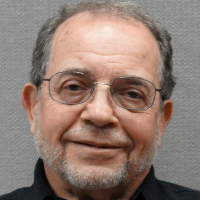
About Michael
Michael Misterka is a licensed clinician who helps people manage stress and anxiety and find clearer ways forward. He uses straightforward, practical work aimed at everyday change. He encourages clients to name goals and take steps that fit their life.
He keeps sessions centered on the person in front of him. Michael draws on client-centered and emotionally-focused ideas to help people talk through difficult feelings. He also uses attachment-based and psychodynamic methods to look at patterns that repeat from earlier relationships.
Background and approach
Michael often works with concerns around relationships, parenting, addiction, trauma and grief. He also supports people facing anger, career shifts, low self-esteem, ADHD, and the strain of life transitions. He pays attention to how family of origin and communication patterns shape current struggles.
Over his 15 years of practice he has helped people navigate separation, blended family issues, substance-related problems, and questions of fatherhood and mens roles. He encourages honest conversation about guilt, shame, jealousy, and forgiveness as part of the work. Sessions move at a pace chosen by the client.
Michael helps people weigh options, try new behaviors, and track what works. He describes his role as a partner who walks alongside clients until their goals are reached.
Therapeutic approaches and online care
Attachment-based work focuses on how early relationships shape current bonds and emotional responses. It helps people notice patterns in close relationships and try new ways of connecting that reduce conflict and reactivity.Client-centered therapy puts the client's goals and pace first. The therapist offers empathetic listening and reflection to help people clarify choices and feel more confident about next steps.
Finding the right approach is part of the process. Michael will talk through what feels most useful and adapt methods based on your goals, needs, and preferences so the plan matches your life and what you want to change.
Online therapy offers practical flexibility. Video calls let you see facial cues and have fuller conversations, phone sessions work when bandwidth is limited or camera use is not wanted, and live chat or text messaging can be used for shorter check-ins or when you need to fit care into a busy day. These options make it easier to attend sessions from different locations and schedules while still working with licensed professionals.
Questions people ask
What kinds of concerns does Michael address?
How would you describe his therapeutic style?
What experience does he bring to therapy?
Where is he based and what credentials does he hold?
Which languages are sessions offered in?
What session formats are available?
How does billing and cost work?
How do I begin working with him?
What this therapist works with
Most often
- Stress, Anxiety
- Relationship issues
- Family conflicts
Also listed
- Addictions
- ADHD
- Anger management
- Attachment issues
- Blended family issues
- Career difficulties
- Communication problems
- Coping with life changes
- Depression
- Divorce and separation
- Domestic violence
- Drug and alcohol addiction
- Family of origin issues
- Family problems
- Fatherhood issues
- Forgiveness
- Grief
- Guilt and shame
- Intimacy-related issues
- Isolation / loneliness
- Jealousy
- Life purpose
- Men's issues
- Mood disorders
- Panic disorder and panic attacks
- Parenting issues
- Post-traumatic stress
- Self esteem
- Trauma and abuse
- Veteran and Armed Forces Issues
Therapeutic approaches
- Experience
- 15 years
- Licensed
- Maryland
- Languages
- English
We will earn a commission if you sign up through our link, at no cost to you.