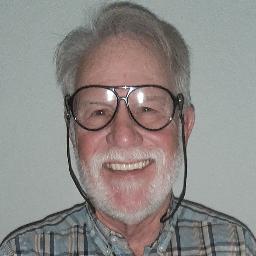
About Michael
Dr. Michael Galvin focuses on people who are feeling overwhelmed by anxiety, stress, loss, or big life changes. He gives clear, direct help for worry, panic, sleep problems, low mood, and the fallout from traumatic events.
He writes plainly and works to make sessions easy to follow for someone who is anxious or unsure about therapy. He brings 42 years of experience as a psychologist and has worked in community mental health, university teaching, and executive coaching.
Background and approach
Those years shaped a practical approach that values methods that produce visible change. He now spends part of his time training other therapists and consulting, and continues to see a small number of clients. In sessions he uses Cognitive Behavioral Therapy, EMDR, and trauma-focused methods tailored to each person's needs.
He emphasizes straightforward techniques people can try between sessions, and he checks in about what is working. He also addresses related concerns such as sleep, eating, work stress, and grief. Dr.
Galvin holds the credential CO Psychologist PSY.0000508 and practices from Colorado. He offers help in English and accepts international clients. Appointments combine short-term work and longer plans depending on the issue and the client's goals.
People seeking a pragmatic, experienced psychologist for anxiety, panic, trauma, or life transitions may find his style a good fit. He aims to make therapy understandable and usable in everyday life.
Evidence-based approaches for online anxiety and trauma care
Dr. Galvin commonly combines Cognitive Behavioral Therapy and EMDR to address anxiety, panic, and trauma-related symptoms. CBT focuses on identifying unhelpful thought patterns and testing them with small behavioral experiments to reduce worry and improve sleep. EMDR uses guided bilateral stimulation alongside focused memory work to reduce the intense emotional charge of traumatic memories and related panic or avoidance.Choosing the right approach is part of the therapy process. He works collaboratively to match methods to a person's goals, symptom pattern, and preferences, adapting techniques as progress is seen. Clients and the therapist review what is helping and adjust the plan together.
Online sessions are offered via video calls, phone, live chat, or text-based messaging to make care more flexible. Video is useful for full conversation and EMDR-style work, phone can be easier when bandwidth or camera use is limited, and chat or text are good for brief check-ins or coaching moments between sessions. These options make it easier to fit therapy around work, travel, or caregiving demands while keeping a consistent schedule.
Questions people ask
What kinds of problems does he help with?
What is his therapy style like?
How much experience does he bring?
What credential does he hold and where is he located?
Which languages and international options are available?
What session formats are offered?
How are costs and billing handled?
How do I begin a relationship with him?
What this therapist works with
Also listed
- Anger management
- Cancer
- Career difficulties
- Coaching
- Coping with life changes
- Coping with natural or human-caused disaster
- Depression
- Dissociation
- Eating disorders
- Family conflicts
- Grief
- Hearing impaired
- LGBT
- Panic disorder and panic attacks
- Parenting issues
- Phobias
- Post-traumatic stress
- Self-harm
- Sexual assault and abuse
- Sleeping disorders
- Social anxiety and phobia
- Veteran and Armed Forces Issues
- Workplace issues
Therapeutic approaches
- Experience
- 42 years
- Licensed
- Colorado
- Languages
- English
We will earn a commission if you sign up through our link, at no cost to you.