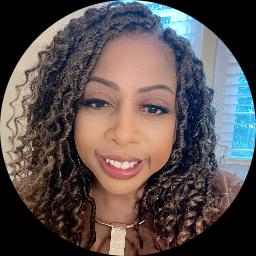
About Mary
Mary Walston is a Licensed Clinical Mental Health Counselor (LCMHC) with 11 years of experience helping people navigate stress and anxiety. She works with individuals and couples on relationship concerns, grief, parenting strain, and life transitions. Her style is warm and interactive, and she focuses on practical steps people can use between sessions.
Mary begins by listening to what matters most to each person. She looks for patterns - how thoughts, feelings, and behavior interact - and then helps people try small, manageable changes.
Background and approach
Sessions are collaborative and tailored to a person's goals and pace. Her work includes support for people coping with trauma and abuse, depression, self-esteem struggles, anger, and compassion fatigue. She also addresses issues such as abandonment, blended family challenges, communication problems, infidelity, and caregiver stress.
Mary frames these concerns in everyday terms so people can take action right away. Cognitive Behavioral Therapy (CBT) features in her approach when people need concrete tools to shift unhelpful thinking and behavior. Attachment-based ideas and Emotionally-Focused Therapy (EFT) guide conversations about closeness, trust, and repairing connection in relationships.
Mindfulness practices are offered to help manage overwhelm and increase present-moment awareness. Mary practices in North Carolina and conducts sessions in English. She emphasizes mutual respect, sensitivity, and steady support while people work toward clearer goals and healthier patterns.
Therapeutic approaches you can try online
Mary uses a mix of approaches that fit well for online work. Cognitive Behavioral Therapy (CBT) focuses on practical skills to change unhelpful thoughts and behaviors, useful for anxiety, depression, and stress. Attachment-Based Therapy looks at how past and current relationship patterns affect trust and closeness, which helps with relationship and intimacy concerns.Mary treats choosing an approach as a team effort. She listens to your priorities, offers options, and adjusts methods as you go. That way the plan reflects your needs, goals, and what feels most helpful in sessions.
Online formats include video calls, phone sessions, live chat, and text-based messaging. Video is good for in-depth conversation and reading nonverbal cues. Phone sessions work well when bandwidth is limited or you prefer not to be on camera. Live chat and text-based messaging are useful for quick check-ins, shorter reflections, or when scheduling needs are tight. These options make it easier to fit therapy into a busy life and to keep momentum between appointments.
Questions people ask
What kinds of issues does Mary address?
How would you describe her therapy style?
What is her experience working as a counselor?
What are her credentials and where is she based?
Which languages are sessions offered in?
What session formats are available?
How does payment and cost work?
How do I begin working with her?
What this therapist works with
Most often
- Stress, Anxiety
- Relationship issues
- Family conflicts
Also listed
- Abandonment
- ADHD
- Anger management
- Blended family issues
- Career difficulties
- Caregiver issues and stress
- Commitment issues
- Communication problems
- Compassion fatigue
- Control issues
- Coping with life changes
- Depression
- Divorce and separation
- Family of origin issues
- Family problems
- Fatherhood issues
- First responder issues
- Forgiveness
- Grief
- Guilt and shame
- Impulsivity
- Infidelity
- Intimacy-related issues
- Isolation / loneliness
- Life purpose
- Midlife crisis
- Multicultural concerns
- Parenting issues
- Self esteem
- Self-love
- Social anxiety and phobia
- Trauma and abuse
- Women's issues
- Workplace issues
Therapeutic approaches
- Experience
- 11 years
- Licensed
- North Carolina
- Languages
- English
We will earn a commission if you sign up through our link, at no cost to you.