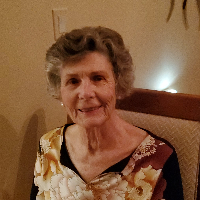
About Mary
Mary Anne Ruane is a licensed clinical social worker (LCSW) with three decades of experience helping people facing stress, anxiety, depression, and addictions. She focuses on practical support that helps people get back to daily life and feel more in control. Her approach is straightforward and grounded in real-world solutions.
She listens first and tailors a plan to each person’s needs. Sessions often include skills for managing anxiety, steps for coping with life changes, and strategies to reduce addictive behaviors.
Background and approach
She also works with issues such as grief, intimacy concerns, eating problems, and workplace stress. Mary Anne uses techniques from cognitive behavioral therapy to identify unhelpful thoughts and change behaviors. She can offer hypnotherapy when it seems useful, and she uses motivational interviewing to support people who want to change habits.
Solution-focused methods help set clear goals and track progress. Her background includes long experience helping people affected by substance use and supporting family members of addicts. She has worked with phobias, panic disorder, obsessive-compulsive concerns, and mood conditions including bipolar disorder.
She draws on this breadth to create a practical, phased plan for healing. Sessions are available by video, phone, live chat, or text messaging to fit different schedules and needs. Mary Anne practices in New Jersey and conducts therapy in English.
To begin, a brief questionnaire and scheduling step match people to her practice.
Approach-driven online care using practical methods
Mary Anne commonly uses cognitive behavioral therapy to help people spot thoughts and behaviors that keep anxiety or depression going, then replace them with more helpful patterns. This approach is useful for panic, phobias, social anxiety, and workplace stress.She also offers hypnotherapy when it may help with habits, smoking, or certain anxiety-related patterns. Hypnotherapy is an adjunct tool that can support relaxation and focused change for some people.
Choosing the right approach is part of the work together. The therapist will talk through goals, preferences, and past attempts at change, and then recommend methods to try. That plan can be adjusted as progress is tracked.
Online sessions are offered by video, phone, live chat, and text messaging to make care more flexible. Video calls are good for face-to-face conversations and skill demonstrations. Phone sessions can be easier when bandwidth is limited, and messaging lets people check in between appointments or use shorter, focused exchanges. These options help fit therapy into work, caregiving, or busy daily routines without needing travel.
Questions people ask
What concerns does she help with?
What is her general approach in sessions?
How much clinical experience does she have?
Where is she located and what credential does she hold?
Which languages are supported in therapy?
Can people outside the U.S. work with her?
What session formats are offered?
How do I get started and what does it cost?
What this therapist works with
Most often
Also listed
- Aging and geriatric issues
- Anger management
- Bipolar disorder
- Codependency
- Communication problems
- Coping with life changes
- Depression
- Drug and alcohol addiction
- Eating and food-related issues
- Eating disorders
- Family conflicts
- Grief
- Guilt and shame
- Intimacy-related issues
- Obsessions, compulsions, and OCD
- Panic disorder and panic attacks
- Parenting issues
- Phobias
- Process addiction (porn, exercise, gambling)
- Relationship issues
- Self esteem
- Social anxiety and phobia
- Trauma and abuse
- Workplace issues
Therapeutic approaches
- Experience
- 30 years
- Licensed
- New Jersey
- Languages
- English
We will earn a commission if you sign up through our link, at no cost to you.