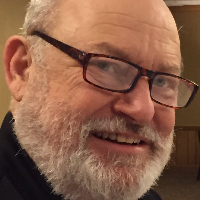
About Mark
Mark Wagemaker is a Licensed Professional Counselor with 18 years of experience. He focuses on helping people who want real change in their lives, especially when anxiety or stress get in the way. He speaks plainly and aims to make sessions practical and direct for people under strain.
Mark often sees people dealing with anxiety, trauma, post-traumatic stress, depression, and sleep problems. He also supports those facing grief, addictions, career stress, relationship strain, and compassion fatigue.
Background and approach
His work includes help for first responders and veterans who are navigating difficult experiences. In sessions he treats each person as an individual with their own history. He uses methods such as hypnotherapy, mindfulness work, emotionally-focused techniques, motivational interviewing, and client-centered counseling to fit what a person needs.
He values collaboration and helps people set clear goals they can notice in day-to-day life. Mark draws on nearly two decades of practice, formal training, and life experience. His background includes work with hospice and end-of-life counseling and helping people find life purpose after big changes.
He integrates these perspectives into practical plans for coping, rebuilding confidence, and improving relationships. People who reach out can expect direct conversation about what is most troubling and focused steps to reduce symptoms and restore function. He offers options that match different rhythms of life and comfort levels, and he helps people track progress as they move forward.
Approaches that translate to online care
Client-centered therapy focuses on listening and following the person’s priorities. The therapist reflects what is said, helps name concerns, and supports people as they choose goals and next steps. Emotionally-Focused Therapy (EFT) helps people identify and respond to strong emotions in the moment. It can be useful for anxiety, relationship strain, and trauma-related feelings that keep repeating. Hypnotherapy uses guided relaxation and focused attention to help change reactions and manage symptoms like anxiety, sleep problems, and post-traumatic stress.Finding the right approach is part of the work together. The therapist will discuss options and adjust techniques based on the client’s goals, preferences, and how they respond in early sessions. This is a collaborative process aimed at finding what helps each person make steady progress.
Online therapy formats include video calls, phone sessions, live chat, and text-based messaging. Video works well for a full session with visual cues, phone can be a simpler check-in with less bandwidth, live chat suits short updates or focused work, and messaging lets people share thoughts between sessions. These options make it easier to fit regular therapy into a busy life and maintain continuity across needed appointments.
Questions people ask
What concerns does he help with?
What is his therapy style like?
How much experience does he have?
What credentials and location are listed?
Which languages and international options are available?
What session formats are offered?
How is cost handled?
How do I begin working with him?
What this therapist works with
Most often
- Stress, Anxiety
- Relationship issues
- Trauma and abuse
Also listed
- Addictions
- Anger management
- Career difficulties
- Coaching
- Compassion fatigue
- Coping with life changes
- Depression
- First responder issues
- Grief
- Hospice and end-of-life counseling
- Intimacy-related issues
- LGBT
- Life purpose
- Mood disorders
- Parenting issues
- Post-traumatic stress
- Self esteem
- Sexuality
- Sleeping disorders
- Social anxiety and phobia
- Veteran and Armed Forces Issues
Therapeutic approaches
- Experience
- 18 years
- Licensed
- Georgia
- Languages
- English
We will earn a commission if you sign up through our link, at no cost to you.