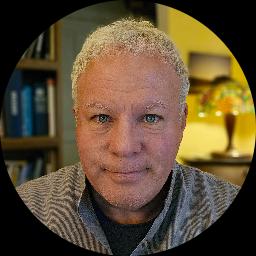
About Mark
Mark Beiser is a Licensed Clinical Professional Counselor (LCPC) with 28 years of experience helping people manage stress, anxiety, depression, and trauma. He works in Illinois and focuses on practical steps clients can take to feel better. He aims to build trust by being genuine and respectful in sessions.
He begins by looking for small changes a person can make right away. Those small choices often shift thoughts and then feelings.
Background and approach
Sessions tend to focus on improving motivation and building confidence through steady, achievable steps. Mark uses a mix of approaches including mindfulness practice and tools to help regulate thoughts. He also draws on cognitive-behavioral methods and narrative work to help people reframe problems and build new habits.
When trauma is present he incorporates trauma-focused ideas to address its effects. In a typical session he helps people name what is getting in the way and then tries concrete strategies to change daily behavior. He checks progress and adjusts plans as goals evolve.
The work is collaborative and paced to each person’s needs. Outside of sessions he encourages practice of skills learned in therapy so gains carry over into daily life. His aim is to help clients reach clear goals and feel more capable handling life’s demands.
Mark offers sessions using video calls, phone sessions, live chat, and text-based messaging to fit different schedules and preferences.
Approaches used online and how they help
Mark often uses Cognitive Behavioral Therapy, which focuses on identifying unhelpful thoughts and testing small behavior changes to shift mood and stress. CBT can help with anxiety, depression, and repetitive thought patterns.He also uses Mindfulness Therapy to teach simple attention and breathing practices that reduce reactivity and improve moment-to-moment focus. Mindfulness can be useful for stress, trauma responses, and enhancing emotional regulation.
Finding the right approach is part of the work together. The therapist will talk with each person about goals and preferences, then try methods that fit. If something isn’t working, plans get adjusted so the approach better matches the client’s needs.
Online sessions are offered by video calls, phone sessions, live chat, or text-based messaging to give flexibility. Video suits a full session with visual cues, phone works well when bandwidth is limited, and text or chat can be useful for brief check-ins or step-by-step skill practice. These options make it easier to fit therapy into a busy life and to keep continuity between appointments.
Questions people ask
What concerns does he help with?
How would you describe his therapy style?
What is his professional background?
What credentials and location are listed?
Which languages are available for sessions?
What session formats does he offer?
How is cost handled for sessions?
How do I begin working with him?
What this therapist works with
Most often
- Stress, Anxiety
- Trauma and abuse
- Parenting issues
Also listed
- ADHD
- Adoption and foster care
- Aging and geriatric issues
- Anger management
- Bipolar disorder
- Blended family issues
- Chronic pain, illness, and disability
- Compassion fatigue
- Coping with life changes
- Depression
- Disruptive Mood Dysregulation Disorder (DMDD)
- Family conflicts
- Forgiveness
- Grief
- Infidelity
- Intimacy-related issues
- Jealousy
- Obsessions, compulsions, and OCD
- Paranoia
- Post-traumatic stress
- Process addiction (porn, exercise, gambling)
- Relationship issues
- Seasonal Affective Disorder (SAD)
- Self esteem
- Self-harm
- Traumatic brain injury
Therapeutic approaches
- Experience
- 28 years
- Licensed
- Illinois
- Languages
- English
We will earn a commission if you sign up through our link, at no cost to you.