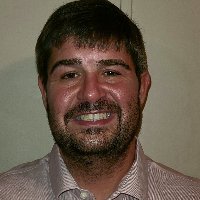
About Marcus
Marcus Clark is a licensed clinical social worker in Georgia with seven years of hands-on experience. He helps people who are dealing with stress, anxiety, addiction, depression, trauma, and relationship struggles. Marcus uses clear, practical steps so people can make steady progress in everyday life.
Marcus earned a Master of Social Work from Kennesaw State University in 2015 and began building practice experience across outpatient mental health and addiction programs.
Background and approach
His background includes work in community mental health centers, community and home-based settings, and correctional facilities. This range shaped his approach to mood and anxiety concerns as well as substance and process addictions. In sessions Marcus focuses on strengths and practical skills.
He draws on methods like cognitive behavioral techniques, dialectical behavior strategies, and motivational interviewing to help people change unhelpful patterns. He also uses mindfulness and solution-focused tools to support coping with grief, anger, sleep problems, and life transitions.
Marcus treats a wide set of concerns related to mental health and behavior, including bipolar symptoms, post-traumatic stress, ADHD, social anxiety, and challenges tied to sexuality and LGBT issues. He brings familiarity with 12-step approaches for substance concerns when that fits someone’s goals. People can expect a straightforward, collaborative process that emphasizes small, measurable steps.
Marcus works in English and provides sessions in multiple online formats suited to different needs.
How Marcus Uses Evidence-Based Methods Online
A few approaches Marcus commonly uses are Cognitive Behavioral Therapy and Dialectical Behavior Therapy. Cognitive Behavioral Therapy helps people notice and change unhelpful thoughts and behaviors that feed anxiety or depression. It often involves practical exercises and clear steps to try between sessions. Dialectical Behavior Therapy focuses on emotional regulation and distress-tolerance skills, useful for intense moods, anger, or problems with impulsive behaviors.He also draws on Motivational Interviewing when people are thinking about change. That approach uses short conversations to clarify goals and increase motivation for steps like cutting back on substance use or improving routines. Choosing the best mix of methods is collaborative - Marcus works with each person to match techniques to their needs, goals, and preferences rather than using one fixed program.
Online therapy formats include video calls, phone sessions, live chat, and text-based messaging. Video calls are good for in-depth conversations and teaching new skills. Phone sessions can be a simpler option when bandwidth or camera use is a concern. Live chat and messaging support brief check-ins, homework review, or ongoing encouragement between longer meetings. These options make it easier to fit therapy into a busy life and to keep momentum on practical goals.
Questions people ask
What concerns does Marcus commonly address?
What is his therapeutic style like?
What background does he bring to therapy?
What credentials and region are listed?
Which languages are available for sessions?
Can people outside the U.S. work with him?
What session formats are offered?
How are costs and getting started handled?
What this therapist works with
Most often
Also listed
- ADHD
- Anger management
- Bipolar disorder
- Career difficulties
- Communication problems
- Coping with life changes
- Depression
- Drug and alcohol addiction
- Family conflicts
- Grief
- Isolation / loneliness
- Men's issues
- Mood disorders
- Post-traumatic stress
- Relationship issues
- Self esteem
- Sexuality
- Sleeping disorders
- Social anxiety and phobia
- Trauma and abuse
Therapeutic approaches
- Experience
- 7 years
- Licensed
- Georgia
- Languages
- English
We will earn a commission if you sign up through our link, at no cost to you.