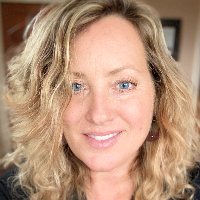
About Maramonie
Maramonie King is a licensed clinical mental health counselor (LCMHC) based in Vermont. She focuses on helping people manage anxiety, depression, trauma, and stress. Her style is warm and down-to-earth, and she aims to make therapy feel manageable for busy lives.
She uses an attachment-based outlook to notice how early relationships shape current patterns. That perspective often helps with relationship problems, parenting struggles, and issues tied to abandonment or family of origin.
Background and approach
She also brings client-centered care, which means sessions start from each person's goals and experience. Mindfulness practices are woven into sessions to help with reactivity, anger, and social anxiety. These simple exercises teach breathing, grounding, and noticing thoughts without judgment.
Trauma-focused tools are used when past events continue to cause distress or post-traumatic stress symptoms. Over eight years of clinical work, she has supported people with grief, eating and body image concerns, identity questions, and life transitions. She also helps with communication problems, divorce and separation adjustment, and parenting challenges including blended family dynamics.
Practical skills are a common focus. Clients learn communication techniques, emotion regulation strategies, and ways to rebuild self-esteem and self-love. Sessions often include concrete steps to try between meetings and check-ins about what works or needs change.
How attachment, mindfulness, and trauma work online
Maramonie uses attachment-based ideas to help people see how early relationships affect current behavior. That approach focuses on patterns in connection, communication, and trust, and it can help with relationship concerns, attachment issues, and blended family dynamics.She also uses client-centered methods that put the person's goals front and center. Sessions are shaped around what the client notices and wants to change, which is useful for self-esteem work, life purpose questions, and parenting challenges.
Finding the right blend of approaches is part of the work. The therapist collaborates with each person to choose methods that match their needs, preferences, and goals. Together they try techniques, review what helps, and adjust the plan over time.
Online formats include video calls, phone sessions, live chat, and text-based messaging. Video is helpful for more in-depth conversations and practicing communication skills. Phone sessions can be a good fit when bandwidth is limited or a quieter setup is needed. Live chat and messaging are useful for brief check-ins, homework guidance, or when typing feels easier than speaking. These options make it simpler to fit therapy into work, parenting, or travel schedules while keeping the focus on progress and practical skills.
Questions people ask
What concerns does this therapist address?
How would you describe the therapy style?
What is her professional background and experience?
Where is the therapist licensed and located?
Which languages and international arrangements are supported?
What session formats are offered?
How is cost handled for sessions?
How do I begin working with this therapist?
What this therapist works with
Most often
- Relationship issues
- Family conflicts
- Trauma and abuse
Also listed
- Abandonment
- Anger management
- Attachment issues
- Blended family issues
- Body image
- Communication problems
- Coping with life changes
- Depression
- Divorce and separation
- Eating disorders
- Family of origin issues
- Family problems
- Forgiveness
- Grief
- Impulsivity
- LGBT
- Life purpose
- Parenting issues
- Post-traumatic stress
- Pregnancy and childbirth
- Self esteem
- Self-love
- Social anxiety and phobia
- Stress, Anxiety
- Women's issues
- Young adult issues
Therapeutic approaches
- Experience
- 8 years
- Licensed
- Vermont
- Languages
- English
We will earn a commission if you sign up through our link, at no cost to you.