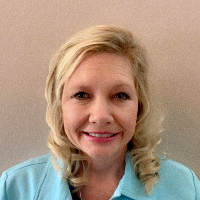
About Lynnette
Lynnette Craig is a Licensed Professional Counselor (LPC) based in Colorado who helps people manage stress, anxiety, grief, and life transitions. She welcomes conversations about relationships, self-esteem, addictions, and emotional struggles. Her approach aims to make the first step feel less overwhelming and more manageable for people seeking change.
She uses a client-centered style that focuses on each person's situation and goals. Sessions emphasize listening, respect, and steady support while exploring what matters most to the client.
Background and approach
Lynnette draws on practical techniques from cognitive behavioral and attachment-informed approaches when they fit the person's needs. Her background includes 15 years in counseling roles across independent practice, court-referred victim services, residential care, and inpatient recovery settings. That experience informs how she works with people facing trauma, dependency, grief, and major life shifts.
She aims to meet clients where they are and help them find clearer next steps. Lynnette favors strategies that are collaborative and straightforward. She may use emotion-focused conversations to clarify painful patterns and CBT-style tools to change unhelpful thought and behavior routines.
The goal is to build skills that reduce anxiety and improve daily functioning. She also attends to issues like caregiver stress, attachment concerns, guilt and shame, loneliness, and questions about life purpose. People who want a compassionate, practical counselor for emotional and behavioral challenges may find her approach useful.
How her approaches work online
Attachment-based work pays attention to how early relationships shape current patterns. Online sessions can help identify attachment wounds and practice new ways of relating in everyday life. Client-centered therapy focuses on listening and understanding; the therapist follows the client's lead and helps clarify values and goals in a supportive way. Cognitive Behavioral Therapy (CBT) looks at links between thoughts, feelings, and actions; it offers practical exercises to reduce anxiety and change unhelpful habits.Finding the best approach is part of the process. The therapist will discuss needs, goals, and preferences and together decide which methods to try. That collaborative planning makes it easier to adjust techniques if something is not working or if priorities change.
Online therapy offers flexibility through video calls, phone sessions, live chat, and text-based messaging. Video sessions support face-to-face style conversation, phone calls can fit into a work break or require less bandwidth, live chat is useful for shorter check-ins, and messaging lets people reflect in writing. These options make it easier to keep therapy consistent during busy or changing schedules and to use approaches like CBT and attachment work in real time.
Questions people ask
What kinds of problems does she help with?
What is her therapeutic style like?
How much clinical experience does she have?
What are her credentials and location?
Which languages are supported for sessions?
What session formats are offered?
How does payment and cost work?
How do I begin therapy with her?
What this therapist works with
Most often
- Stress, Anxiety
- Relationship issues
- Grief
Also listed
- Addictions
- ADHD
- Anger management
- Attachment issues
- Bipolar disorder
- Career difficulties
- Caregiver issues and stress
- Compassion fatigue
- Control issues
- Coping with life changes
- Depression
- Eating disorders
- Family conflicts
- Forgiveness
- Guilt and shame
- Intimacy-related issues
- Isolation / loneliness
- Life purpose
- Parenting issues
- Post-traumatic stress
- Seasonal Affective Disorder (SAD)
- Self esteem
- Self-love
- Sleeping disorders
- Trauma and abuse
Therapeutic approaches
- Experience
- 15 years
- Licensed
- Colorado
- Languages
- English
We will earn a commission if you sign up through our link, at no cost to you.