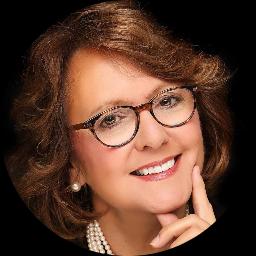
About Lynn
Dr. Lynn Grattan is a medical doctor and psychologist with 35 years of experience. She helps people dealing with stress, anxiety, low motivation, low self-esteem, and major life transitions.
She also supports those coping with grief, ADHD, depression, and challenges related to cognitive disorders and brain injury. Her approach is adapted to each person. Sessions often mix cognitive-behavioral techniques with client-centered conversation and practical problem solving.
She focuses on clear, manageable steps people can try between sessions to reduce worry and build routines.
Background and approach
Dr. Grattan draws on decades of clinical experience in Maryland. That background includes work in neuropsychology and supporting people with post-concussion symptoms and traumatic brain injury.
She uses that experience to recognize how thinking, memory, and energy affect everyday coping. Conversations in her sessions are collaborative. She listens to what matters to the individual and then helps set realistic goals.
The work can include learning new coping skills, practicing changes in behavior, and addressing fears that keep problems stuck. Practical concerns are central. She helps people plan for changes like career shifts, loss, caregiving stress, or recovery after illness.
Sessions are aimed at helping people regain confidence, reduce anxiety, and take small steps toward a steadier routine.
How therapeutic approaches work online
Dr. Grattan often uses cognitive-behavioral techniques to identify unhelpful thinking and test small behavioral changes. This approach teaches practical skills for reducing anxiety, improving mood, and managing ADHD-related challenges.She also uses client-centered conversation, which focuses on listening, reflecting, and helping people clarify their own goals. That approach helps when someone needs time to sort values, grief, or decisions about life changes.
Choosing the best approach is a collaborative process. The therapist will talk with the person about their goals, try approaches that fit those goals, and adjust methods based on what helps most. The plan can change over time as needs shift.
Online therapy with video calls, phone sessions, live chat, or text-based messaging offers flexibility. Video is useful for deeper conversation and visual cues. Phone sessions work well when bandwidth is limited or for shorter check-ins. Live chat and text messaging let people send quick updates, ask brief questions, or manage small steps between sessions. These options make it easier to fit therapy into work, caregiving, or medical schedules.
Questions people ask
What kinds of problems does she help with?
How would you describe her therapeutic style?
What experience does she bring to sessions?
Where does she practice and what are her credentials?
Can I have sessions in a language other than English?
What session formats are available?
How are session costs handled?
How do I begin working with her?
What this therapist works with
Most often
Also listed
- ADHD
- Aging and geriatric issues
- Attachment issues
- Body image
- Cancer
- Caregiver issues and stress
- Communication problems
- Control issues
- Coping with life changes
- Coping with natural or human-caused disaster
- Depression
- Divorce and separation
- Emptiness
- First responder issues
- Forgiveness
- Guilt and shame
- Impulsivity
- Intellectual disability
- Isolation / loneliness
- Jealousy
- Life purpose
- Midlife crisis
- Mood disorders
- Narcissism
- Obsessions, compulsions, and OCD
- Panic disorder and panic attacks
- Post-traumatic stress
- Seasonal Affective Disorder (SAD)
- Self-love
- Social anxiety and phobia
- Traumatic brain injury
- Women's issues
- Workplace issues
- Young adult issues
- Experience
- 35 years
- Licensed
- Maryland
- Languages
- English
We will earn a commission if you sign up through our link, at no cost to you.