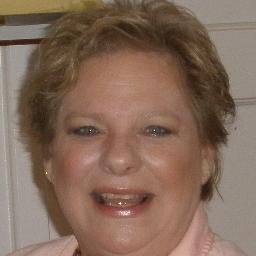
About Linda
Linda Giles is a Licensed Professional Counselor (LPC) and a Licensed Clinical Mental Health Counselor (LCMHC) with 28 years of clinical experience. She offers calm, down-to-earth support for people dealing with stress, anxiety, depression, grief, relationship struggles, parenting questions, and changes in life circumstances. Her approach is warm and compassionate and aims to make the first steps feel less daunting.
Linda uses a flexible approach and adapts techniques to each person's needs.
Background and approach
She draws on client-centered work to keep sessions focused on the person's priorities. She also uses cognitive-behavioral ideas to help people notice and change unhelpful thoughts and behaviors. Her background includes long-term clinical practice in Virginia and North Carolina, working with a wide range of concerns from mood disorders and PTSD to addiction and caregiver stress.
She describes emotional dysregulation as a common thread in many problems and teaches simple, practical tools for managing intense feelings. These are skills people can use between sessions. Sessions can include short-term problem solving as well as deeper exploration of past patterns that still affect daily life.
Linda aims to be straightforward and caring in session, helping people set clear goals and track progress. Her style blends practical techniques with attention to the personal story behind the symptoms. She sees people across many life stages and offers phone, video, live chat, and text-based messaging formats.
Linda works in English and practices in Virginia as an LPC and in North Carolina as an LCMHC.
How her approaches translate to online care
Linda uses client-centered therapy to keep the focus on what matters most to each person, offering space to tell the story and name goals. This approach helps when the main need is to be heard and to build a stronger therapeutic relationship online.She also uses cognitive behavioral therapy, which involves identifying unhelpful thoughts and trying small behavior experiments to test new ways of coping. CBT is often helpful for anxiety, stress, and mood concerns because it gives clear steps people can practice between sessions.
Finding the right approach is part of the work. The therapist will collaborate with the person to choose methods that match their needs, goals, and preferences, and will adjust the plan as progress is made.
Online sessions are offered by video call, phone, live chat, or text-based messaging to make care flexible. Video calls let people meet face-to-face when that helps build connection. Phone sessions can be easier when less bandwidth is available or when a shorter check-in is needed. Live chat and text are useful for brief updates, quick coping tips, or on-the-go support. These options make it easier to fit therapy around work, family, and daily life.
Questions people ask
What kinds of concerns does Linda help with?
How would you describe her therapeutic style?
What is her clinical experience?
What credentials and region are listed?
Which languages are supported and are international clients seen?
What session formats are available?
How does billing and cost work?
What are the steps to begin working with her?
What this therapist works with
Most often
- Stress, Anxiety
- Relationship issues
- Family conflicts
Also listed
- Abandonment
- Addictions
- ADHD
- Aging and geriatric issues
- Anger management
- Bipolar disorder
- Blended family issues
- Career difficulties
- Caregiver issues and stress
- Commitment issues
- Communication problems
- Compassion fatigue
- Coping with life changes
- Depression
- Dissociation
- Grief
- Guilt and shame
- Intimacy-related issues
- LGBT
- Mood disorders
- Parenting issues
- Post-traumatic stress
- Seasonal Affective Disorder (SAD)
- Self esteem
- Social anxiety and phobia
- Veteran and Armed Forces Issues
Therapeutic approaches
- Experience
- 28 years
- Licensed
- Virginia, North Carolina
- Languages
- English
We will earn a commission if you sign up through our link, at no cost to you.