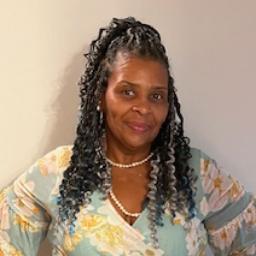
About Karen
Karen Wells is a licensed clinical social worker in North Carolina with eight years of experience. She focuses on anxiety and stress alongside depression and the effects of trauma and abuse. She aims to make starting therapy feel manageable and supportive for people who are worried or overwhelmed.
Karen offers a calm, nonjudgmental space where feelings and thoughts can be shared. She helps people name what is happening and break problems into smaller steps.
Background and approach
Sessions move at a pace set by the person seeking help so change does not feel rushed. Her work includes helping people cope with grief and loss, and handling family conflict in ways that reduce tension. She also addresses longer term concerns such as obsessive thoughts or compulsive behaviors, body image, and challenges that come after trauma.
Karen has experience assisting people dealing with adoption and foster care issues, caregiver stress, and end-of-life concerns. She also supports those facing gender dysphoria, postpartum depression, and issues connected to military or veteran experiences. The therapist explains options, listens for what matters most, and helps build practical skills people can use between sessions.
She encourages small, steady steps toward better day-to-day functioning. If someone is ready to begin, she guides them through the first steps of scheduling and planning therapy.
Approaches that translate well to online care
Evidence-based techniques are used to address anxiety, stress, and trauma-related reactions. One common approach focuses on teaching practical coping and problem-solving skills to reduce day-to-day symptoms and increase a sense of control. This helps people manage worry, panic, and persistent stress by learning concrete strategies they can practice between sessions.Another frequently used method centers on processing and reducing the impact of traumatic memories and painful losses. This involves pacing the work so people feel safe to recall difficult experiences and build new ways of responding. It can be helpful for post-traumatic stress, grief, and reactions after abuse.
Finding the best approach is a collaborative process. The therapist will talk with each person about their needs, goals, and preferences and suggest options to try. Together they adjust methods and pace until a good fit emerges.
Online therapy offers flexible ways to connect. Video calls recreate a face-to-face conversation for in-depth work. Phone sessions are useful when video is not possible or bandwidth is limited. Live chat and text-based messaging allow shorter check-ins, daily tracking, or ongoing support between longer sessions. These formats make it easier to fit therapy into busy schedules and maintain regular contact while working toward goals.
Questions people ask
What concerns does this therapist address?
What is the therapeutic style in sessions?
How much experience does the therapist have?
What are the therapist's credentials and location?
Which languages are used for sessions?
What session formats are available?
How does payment and cost work?
How do I begin working with this therapist?
What this therapist works with
Most often
- Stress, Anxiety
- Family conflicts
- Trauma and abuse
Also listed
- Adoption and foster care
- Aging and geriatric issues
- Body image
- Caregiver issues and stress
- Codependency
- Communication problems
- Depression
- Gender dysphoria
- Grief
- Guilt and shame
- Hospice and end-of-life counseling
- Obsessions, compulsions, and OCD
- Post-traumatic stress
- Postpartum depression
- Self-love
- Sex addiction
- Sexual assault and abuse
- Sexual dysfunction
- Veteran and Armed Forces Issues
- Workplace issues
- Experience
- 8 years
- Licensed
- North Carolina
- Languages
- English
We will earn a commission if you sign up through our link, at no cost to you.