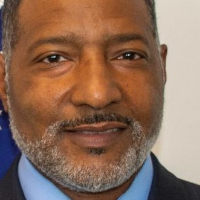
About Joseph
Dr. Joseph Bullock offers straightforward, calm support for people dealing with stress and anxiety. He greets concerns directly and helps clients break problems into manageable steps.
His style is practical and respectful, aimed at helping people feel steadier in daily life. Dr. Bullock is a medical doctor - MD - and holds licensing as an LCPC and an LPC.
He brings 32 years of counseling experience to sessions and uses that background to guide clear, usable plans.
Background and approach
Conversations focus on what is happening now and what can change next. He often uses cognitive behavioral ideas to help people notice and shift unhelpful thinking patterns. Motivational interviewing is part of his way of helping people find their own reasons to change.
Mindfulness techniques and short, solution-focused steps are woven into work when they fit a person's goals. Clients come for help with anxiety, depression, addictions, anger, grief, relationship concerns, career strain, midlife shifts, and other life transitions. He also supports people dealing with trauma, loss, or issues tied to identity and sexual orientation.
Work is tailored to each person's pace and priorities. Dr. Bullock emphasizes building a simple, individualized plan.
He partners with people to set practical goals, track progress, and adjust as life changes. The focus is on steady, sustainable improvement rather than quick fixes.
Approaches and online options for practical change
Dr. Bullock commonly uses cognitive behavioral therapy and motivational interviewing in online work. Cognitive behavioral therapy helps people identify unhelpful thoughts and try different, more useful responses. It is often used for anxiety, depression, and stress-related problems. Motivational interviewing focuses on supporting a person's own motivation to change, which can help with addictions, lifestyle shifts, and moving through ambivalence.Finding the right approach is a collaborative process. He will listen to your goals and preferences, then suggest approaches that suit your needs. Together you can try techniques and adjust the plan based on what proves useful in real life.
Online formats include video calls, phone sessions, live chat, and text-based messaging. Video calls let you work more closely with visual cues, phone sessions are useful when bandwidth is limited, live chat can be a shorter check-in, and text messaging supports ongoing reflection between meetings. These options make it easier to fit therapy into busy schedules and varied routines.
Questions people ask
What kinds of concerns does this therapist address?
How would you describe his therapeutic style?
What is his professional background?
Which credentials and location are listed for this therapist?
Are sessions available in other languages or to international clients?
What session formats are offered for online work?
How is cost handled for sessions?
What are the steps to begin working with him?
What this therapist works with
Most often
- Stress, Anxiety
- Addictions
- Anger management
Also listed
- Aging and geriatric issues
- Career difficulties
- Coaching
- Codependency
- Control issues
- Coping with life changes
- Depression
- Divorce and separation
- Domestic violence
- Drug and alcohol addiction
- Family conflicts
- Fatherhood issues
- First responder issues
- Forgiveness
- Grief
- Guilt and shame
- HIV / AIDS
- Intimacy-related issues
- LGBT
- Life purpose
- Men's issues
- Midlife crisis
- Money and financial issues
- Mood disorders
- Relationship issues
- Self esteem
- Self-love
- Social anxiety and phobia
- Trauma and abuse
- Veteran and Armed Forces Issues
- Workplace issues
Therapeutic approaches
- Experience
- 32 years
- Licensed
- Maryland, Virginia
- Languages
- English
We will earn a commission if you sign up through our link, at no cost to you.