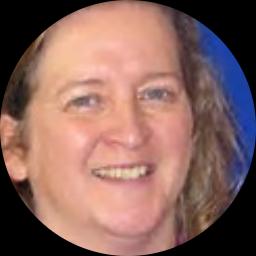
About Jess
Dr. Jess Clapham uses a person-focused way of working. She draws on Client-Centred and Existential ideas to help people with stress and anxiety.
She speaks English and Welsh and sees people in the United Kingdom and internationally. Jess is a BACP counsellor with three years of professional experience. She has worked with people dealing with low self-esteem, career doubts and big life changes.
She also offers coaching-style support for professionals who want clearer direction and motivation.
Background and approach
In sessions she aims to listen closely and respond with respect and sensitivity. Conversations are shaped around what matters most to the person in front of her. That might mean practical steps one week and deeper reflection the next.
Her work covers a wide range of concerns, including grief, trauma and abuse, relationship and family issues, anger and depression. She also helps with ADHD-related difficulties and challenges such as abandonment, attachment or communication problems. Jess prefers a collaborative pace.
Together she and the client set goals and review what is helping. This keeps therapy grounded and focused on everyday changes people can use between sessions. Many people seek her out because they want clearer thinking and more confidence to move forward.
Jess aims to support each person with patience, honest feedback and practical ways to build on progress.
Working online with person-centred and existential approaches
Client-Centred Therapy focuses on being heard and understood. The therapist follows the person's lead, offers empathy and helps build self-awareness and confidence. This approach can help when anxiety, low self-esteem or life changes leave someone unsure which step to take next.Existential Therapy looks at meaning, choice and personal values. It helps people face uncertainty and decide what matters to them. This can be useful for those rethinking career direction, life purpose or coping with loss and major transitions.
Finding the right approach is part of the work. The therapist will discuss what feels most useful and adapt sessions to the client's goals and preferences. Decisions about focus and pace are made together so therapy stays relevant and manageable.
Online formats offer practical flexibility. Video calls let people use visual cues and longer conversations, while phone sessions can fit a short break or need less bandwidth. Live chat and text-based messaging work well for quick check-ins, writing out thoughts, or keeping momentum between sessions. These options make it easier to fit therapy around work, family and travel commitments.
Questions people ask
What types of concerns does she help with?
What is her therapeutic style like?
How much clinical experience does she have?
What credentials and location details apply?
In which languages can I work with her?
What session formats are available?
How does pricing work?
How do I begin working with her?
What this therapist works with
Most often
- Stress, Anxiety
- Self esteem
- Career difficulties
Also listed
- Abandonment
- ADHD
- Adoption and foster care
- Aging and geriatric issues
- Anger management
- Attachment issues
- Blended family issues
- Coaching
- Commitment issues
- Communication problems
- Control issues
- Coping with life changes
- Coping with natural or human-caused disaster
- Depression
- Family conflicts
- Family of origin issues
- Forgiveness
- Grief
- Guilt and shame
- Hoarding
- Jealousy
- Life purpose
- Midlife crisis
- Multicultural concerns
- Panic disorder and panic attacks
- Parenting issues
- Phobias
- Post-traumatic stress
- Postpartum depression
- Prejudice and discrimination
- Relationship issues
- Social anxiety and phobia
- Trauma and abuse
- Women's issues
- Workplace issues
- Young adult issues
Therapeutic approaches
- Experience
- 3 years
- Licensed
- Languages
- English, Welsh
We will earn a commission if you sign up through our link, at no cost to you.