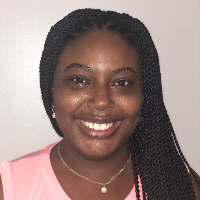
About Jasmine
Dr. Jasmine Harris is a licensed psychologist in Kansas who focuses on helping people manage stress and anxiety. She uses practical, down-to-earth strategies so clients can try tools between sessions and see what works for them.
Her approach is client-centered, which means she and the client set goals together. She builds a plan that fits each person’s life and routines rather than forcing a one-size-fits-all method. Sessions include learning coping skills and simple techniques to use when stress rises or sleep is poor.
Background and approach
Dr. Harris also works with mood concerns such as depression, bipolar disorder, and grief. She supports people facing addictions, trauma and abuse, and those coping with major life changes.
Other common topics include relationship and intimacy issues, parenting stress, and career or financial worries. She draws from several evidence-informed methods, including cognitive behavioral techniques and solution-focused strategies. Motivational interviewing and trauma-focused practices are used when they match a person’s goals.
Treatment stays practical and goal-oriented, focused on what the client wants to change. With three years of professional experience, Dr. Harris aims to offer clear steps and steady support.
People meet by video, phone, live chat, or text-based messaging, and plans are adjusted over time based on progress and feedback.
How therapeutic approaches translate to online care
Dr. Harris uses client-centered methods and cognitive behavioral therapy to guide online work. Client-centered work means conversations focus on the client’s goals and everyday routines, with the therapist helping tailor techniques to fit a person’s life. Cognitive behavioral therapy (CBT) involves identifying unhelpful thoughts and testing small behavior changes to reduce anxiety, improve sleep, and lift mood.She also uses motivational interviewing when people need extra support finding internal motivation for change. That approach helps clarify personal reasons for change and builds small, achievable steps toward goals. Together the therapist and client decide which methods to try and adjust the plan as progress is made.
Online sessions are offered by video calls, phone sessions, live chat, or text-based messaging to make therapy flexible. Video works well for full conversations and skill demonstrations. Phone sessions can fit a work break or when video bandwidth is limited. Live chat and text are useful for quick check-ins, brief coaching, or when typing feels easier than talking. These options help people fit therapy into busy schedules and maintain steady momentum toward their goals.
Questions people ask
What concerns does Dr. Harris commonly address?
What is her general therapy style?
What experience does she bring?
What credential and location information applies?
In which language are sessions offered?
Which session formats are available?
How are costs and billing handled?
How do I begin working with her?
What this therapist works with
Most often
- Stress, Anxiety
- Addictions
- Sleeping disorders
Also listed
- ADHD
- Anger management
- Bipolar disorder
- Cancer
- Career difficulties
- Caregiver issues and stress
- Coaching
- Communication problems
- Compassion fatigue
- Control issues
- Coping with life changes
- Depression
- Family conflicts
- Forgiveness
- Grief
- Guilt and shame
- Intimacy-related issues
- Life purpose
- Money and financial issues
- Mood disorders
- Multicultural concerns
- Parenting issues
- Post-traumatic stress
- Prejudice and discrimination
- Relationship issues
- Self esteem
- Self-love
- Smoking / vaping cessation
- Social anxiety and phobia
- Trauma and abuse
- Veteran and Armed Forces Issues
- Workplace issues
- Young adult issues
Therapeutic approaches
- Experience
- 3 years
- Licensed
- Kansas
- Languages
- English
We will earn a commission if you sign up through our link, at no cost to you.