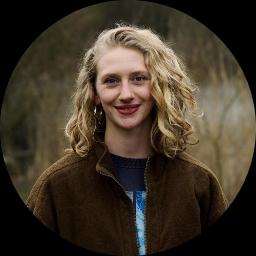
About Isla
Isla Donaldson is a counsellor who helps people facing stress, anxiety, low self-esteem, depression and the effects of trauma and abuse. She provides a calm, non-judgemental space where people can talk about what matters most to them. Isla aims to help clients regain balance, clarity and a stronger sense of self so they can move forward with more confidence.
Isla works in a person-centred, relational way that follows each client's needs and pace.
Background and approach
She stays present and attentive, offering both support and gentle challenge as appropriate. Her style emphasises listening to bodily sensations and current experience as sources of information about feelings and memory. Her practice includes somatic and trauma-focused methods to help people notice and work with physical sensations, affect regulation, and memories that can be stored in the body.
She also draws on existential ideas to help people find meaning, purpose and personal agency when life feels confusing or empty. Isla holds the NCPS credential and completed a first-class degree in Humanistic Counselling Practice (BA).
Over five years she has worked with adults and young people on issues such as grief, relationship difficulties, self-harm and suicidal ideation, and sexual assault and abuse. This experience informs a steady, compassionate approach to complex emotional concerns. Sessions are offered in English from the United Kingdom and use a subscription model that can be cancelled at any time.
Isla encourages people to ask questions and to start by talking about what they would like to be different in their lives.
Therapeutic approaches for online work
Isla often uses client-centred work to make the online session feel grounded in the person's own priorities. This approach focuses on active listening, reflecting what the person says and letting them guide the pace and topics of therapy. It helps when someone needs clear emotional support and a consistent, accepting presence.She also brings somatic work into online sessions, inviting people to notice bodily sensations, breath and posture as part of understanding feelings. These simple, body-focused practices can help with anxiety, stress and the after-effects of trauma by offering practical ways to calm or register physical responses.
Finding the right approach is a collaborative process. The therapist will discuss options at the start and adapt methods as work progresses, drawing on the client's goals and preferences to shape a personalised plan. Clients and the therapist decide together what feels most helpful.
Online formats include video calls, phone sessions, live chat and text-based messaging. Video lets people use visual cues and shared conversation time, while phone sessions need less bandwidth and can be easier to fit into a work break. Live chat and text messaging suit quick check-ins or for those who prefer not to use a camera. These options make therapy more flexible and easier to match to daily life.
Questions people ask
What kinds of problems does she help with?
What is her therapeutic style like?
How much clinical experience does she have?
What credentials and location are listed?
Which languages and international work does she offer?
What session formats are available?
How does the subscription and cost work?
How do I begin working with her?
What this therapist works with
Most often
- Stress, Anxiety
- Relationship issues
- Trauma and abuse
Also listed
- Abandonment
- Attachment issues
- Body image
- Communication problems
- Depression
- Emptiness
- Family problems
- Guilt and shame
- Hospice and end-of-life counseling
- Impulsivity
- Isolation / loneliness
- Life purpose
- Post-traumatic stress
- Self esteem
- Self-harm
- Self-love
- Sexual assault and abuse
- Sexuality
- Women's issues
- Young adult issues
Therapeutic approaches
- Experience
- 5 years
- Licensed
- Languages
- English
We will earn a commission if you sign up through our link, at no cost to you.