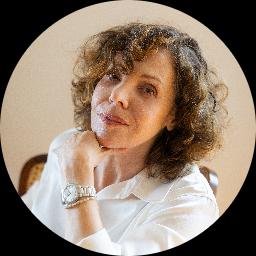
About Iréné
Iréné Celcer is a bilingual psychotherapist who helps people facing stress, anxiety, depression, relationship and eating concerns. She brings 30 years of experience and practices in Georgia. She speaks Spanish and welcomes conversations that respect cultural background and personal identity.
Her style is direct and compassionate. She listens first, then helps people name the problem. Sessions focus on practical steps that fit daily life.
Iréné emphasizes respect and avoids labels when possible.
Background and approach
Iréné blends several ways of working to match each person’s needs. She uses psychodynamic ideas to notice patterns from the past. She teaches mindfulness skills to reduce anxiety and improve focus.
She also draws on client-centered and existential ideas so people feel heard and can find meaning in difficult changes. Typical topics include relationship struggles, parenting stress, body image and eating issues, grief, trauma and abuse, identity concerns including gender dysphoria, career strain, and compassion fatigue.
She also addresses adoption and foster care topics, aging and caregiver stress, blended family issues, and multicultural or discrimination-related concerns. Iréné involves clients in planning their work together. She encourages people to stay in the driver’s seat and choose the pace that fits them.
Her goal is to help people feel more whole, steady, and able to face life’s changes.
How her approaches translate to online therapy
Attachment-based work focuses on patterns in close relationships and how those patterns affect current stress and anxiety. In online sessions she helps identify recurring dynamics and practices new ways of relating to reduce conflict and build trust.Mindfulness therapy teaches simple noticing and breathing skills to reduce worry and bring attention into the present moment. These practices can be used between sessions to handle anxious moments and improve focus during stressful days.
Psychodynamic ideas help uncover how past experiences shape current feelings and choices. In a remote format, this looks like careful listening, reflecting on themes that recur, and connecting past events to present reactions.
Choosing the right approach is a collaborative process. The therapist works with each person to decide which methods fit their goals, pace, and preferences. Plans can change as needs evolve and sessions often include practical steps to try between meetings.
Online therapy offers flexibility through video calls, phone sessions, live chat, or text-based messaging. Video lets people use visual cues for deeper conversation, phone can be easier when bandwidth is limited, and messaging supports brief check-ins or ongoing reflection. These options make it easier to fit therapy into busy schedules and varied lifestyles.
Questions people ask
What concerns does she address?
What is her therapeutic approach like?
How much experience does she have?
What credentials and location are listed?
Which languages are sessions offered in?
What session formats are available?
How does payment and cost work?
How do I begin working with her?
What this therapist works with
Most often
- Stress, Anxiety
- Relationship issues
- Eating disorders
Also listed
- ADHD
- Adoption and foster care
- Aging and geriatric issues
- Blended family issues
- Body image
- Career difficulties
- Caregiver issues and stress
- Commitment issues
- Communication problems
- Compassion fatigue
- Coping with life changes
- Depression
- Family conflicts
- Gender dysphoria
- Grief
- Intimacy-related issues
- LGBT
- Multicultural concerns
- Parenting issues
- Polyamory / non-monogamous relationships
- Prejudice and discrimination
- Self esteem
- Trauma and abuse
Therapeutic approaches
- Experience
- 30 years
- Licensed
- Georgia
- Languages
- Spanish
We will earn a commission if you sign up through our link, at no cost to you.