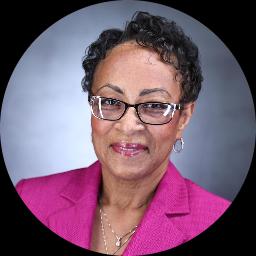
About Hollie
Dr. Hollie Campbell is an Illinois-licensed clinical counselor with nine years of practical experience. She focuses on helping people manage stress and anxiety, navigate relationship and intimacy concerns, and cope after trauma and abuse.
Her style is straightforward and warm. She aims to make sessions a place where people can speak freely and feel heard. The work often begins with listening to what matters most and what feels hardest right now.
Background and approach
Dr. Campbell draws on techniques from client-centered therapy and cognitive behavioral approaches to address day-to-day worries and unhelpful thought patterns. She also uses emotionally-focused ideas and the Gottman Method to look at connection and communication in relationships.
Sessions usually center on practical steps and clear goals. Clients and the therapist plan small changes to try between meetings and then check how those changes felt. She also uses motivational interviewing strategies to support readiness for change when people feel stuck.
Her background in Illinois clinical practice means she has worked with a wide range of concerns, including grief, self-esteem, eating issues, ADHD, and coping with life changes. People seeking help for phobias, post-traumatic stress, or multicultural and discrimination-related stress often find the practical focus useful. Starting therapy with Dr.
Campbell involves a short intake and a discussion about immediate needs. From there she helps build a plan that fits each person’s goals and everyday life.
Approaches for anxiety and relationship work online
Dr. Campbell commonly uses client-centered therapy to create a space where people can talk without judgment; this helps clarify feelings and identify what matters most. She also uses cognitive behavioral therapy, which focuses on spotting and shifting unhelpful thoughts and building new coping skills for anxiety, stress, and mood concerns. Emotionally-Focused Therapy is another tool she brings to relationship work, helping partners notice emotions and respond to each other in ways that rebuild connection.Choosing the right approach is a team effort. The therapist will ask about current struggles, what’s been tried before, and short-term goals. Together they try methods and adjust the plan based on what feels most helpful and realistic for the person’s life.
Online therapy options include video calls, phone sessions, live chat, and text-based messaging to make contact flexible. Video calls are useful for deeper conversations and reading facial cues, while phone sessions can work when video is difficult or bandwidth is low. Live chat and messaging are handy for quick check-ins, brief coaching, or when someone prefers written reflection. These formats make it easier to fit therapy into busy schedules and daily routines.
Questions people ask
What concerns does she help with?
How would you describe her therapy style?
What is her clinical background?
What credentials and location are listed?
Can I work with her if I live outside the United States?
What session formats are available?
How does payment and cost work?
How do I begin working with her?
What this therapist works with
Most often
- Stress, Anxiety
- Relationship issues
- Trauma and abuse
Also listed
- Abandonment
- ADHD
- Attachment issues
- Blended family issues
- Commitment issues
- Communication problems
- Coping with life changes
- Depression
- Eating disorders
- Family conflicts
- Family of origin issues
- Family problems
- Forgiveness
- Grief
- Infidelity
- Intimacy-related issues
- Jealousy
- Multicultural concerns
- Phobias
- Post-traumatic stress
- Prejudice and discrimination
- Self esteem
- Self-harm
- Social anxiety and phobia
- Workplace issues
Therapeutic approaches
- Experience
- 9 years
- Licensed
- Illinois
- Languages
- English
We will earn a commission if you sign up through our link, at no cost to you.