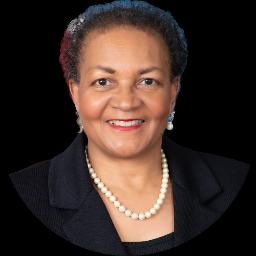
About Freda
Dr. Freda Shipman is a Licensed Clinical Social Worker with 25 years of experience helping people face anxiety and other life challenges. She offers steady, practical support in a warm, down-to-earth way.
Her approach is collaborative and respectful. Her work often focuses on stress, coping with life changes, grief, and relationship concerns. She also addresses parenting strain, anger, career transitions, and financial worries.
Dr. Shipman supports people dealing with trauma, abuse, chronic illness, cancer, and end-of-life planning.
Background and approach
She uses straightforward, goal-minded methods that fit each person’s needs. Sessions blend talking through difficult feelings with finding small, workable steps forward. Dr.
Shipman draws on Client-Centered Therapy to listen closely and build on each person's strengths. Cognitive Behavioral Therapy ideas are used to notice and change unhelpful thinking patterns. She also uses Solution-Focused Therapy to set short-term goals and Motivational Interviewing to help people find the motivation to change.
Internal Family Systems ideas can help people understand inner conflicts and self-care. Dr. Shipman brings practical experience from clinical settings and long-term work with caregivers, older adults, and people facing disability or medical challenges.
She respects each person’s story and helps them map clear next steps. If someone wants steady guidance for anxiety, life transition, or caregiving stress, she offers a calm, experienced presence.
Therapeutic approaches and online care
Dr. Shipman blends Client-Centered Therapy and Cognitive Behavioral Therapy to address anxiety and related concerns. Client-Centered Therapy focuses on listening closely, reflecting what matters to the person, and building on strengths to move forward. Cognitive Behavioral Therapy looks at how thoughts and behaviors connect and uses practical exercises to reduce stress and change unhelpful patterns.She treats approach selection as a joint process. Early sessions are spent understanding goals, daily routines, and what feels most pressing. Together they decide whether short-term solution-focused work or deeper internal exploration will be most useful given the person’s needs and preferences.
Online therapy options include video calls, phone sessions, live chat, and text-based messaging to make care more flexible. Video calls let people see nonverbal cues and run fuller sessions. Phone sessions can be easier when bandwidth is limited or a shorter check-in is needed. Live chat and text messaging are useful for quick reflections, homework check-ins, or when writing helps organize thoughts. These formats help fit therapy into busy lives and make ongoing support more accessible.
Questions people ask
What concerns does she help with?
What is her therapy style like?
How much clinical experience does she have?
What are her credentials and location?
Which languages are supported?
Can international clients work with her?
What session formats are available?
How does payment and scheduling work?
What this therapist works with
Most often
- Grief
- Self esteem
- Career difficulties
Also listed
- Aging and geriatric issues
- Anger management
- Autism and Asperger Syndrome
- Cancer
- Caregiver issues and stress
- Co-morbidity
- Coaching
- Communication problems
- Coping with life changes
- Divorce and separation
- Family conflicts
- Family of origin issues
- Family problems
- Forgiveness
- Hospice and end-of-life counseling
- Intellectual disability
- Life purpose
- Money and financial issues
- Parenting issues
- Relationship issues
- Self-love
- Stress, Anxiety
- Trauma and abuse
- Veteran and Armed Forces Issues
- Visually impaired
- Women's issues
- Workplace issues
Therapeutic approaches
- Experience
- 25 years
- Licensed
- North Carolina, Virginia
- Languages
- English
We will earn a commission if you sign up through our link, at no cost to you.