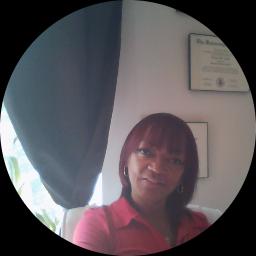
About Felecia
Felecia Arthur is a licensed independent social worker with 14 years of clinical experience. She focuses on practical steps that help people manage symptoms and get unstuck. Her work centers on anxiety-related concerns alongside trauma, relationships, and depression.
She adapts how she talks with each person. That means clear language, active listening, and a pace that fits the individual. She emphasizes concrete plans and measurable progress rather than vague promises.
Background and approach
Her background includes work with adolescents involved in the juvenile system, older adults, and people with mental health needs. That work strengthened skills in risk assessment, treatment planning, and tracking progress over time. These areas inform how she organizes sessions and sets goals.
In sessions she uses approaches like cognitive behavioral therapy, dialectical behavior therapy, mindfulness, motivational interviewing, and trauma-focused therapy. Those methods are applied as tools to help people change unhelpful thinking, manage intense emotions, and heal from past hurt. She aims to be supportive and practical in the room.
People can expect straightforward conversations, skills training, and steps to try between meetings. The goal is to help people feel more stable and better able to handle stressors at home and work.
How therapeutic approaches translate to online care
CBT, or cognitive behavioral therapy, helps people notice and change unhelpful thoughts and behaviors. It often includes small experiments and homework to test new ways of coping with anxiety and low mood. DBT, or dialectical behavior therapy, teaches emotion regulation, distress tolerance, and better interpersonal skills. It is helpful for managing intense emotions and reducing impulsive reactions. Trauma-focused therapy concentrates on processing past hurt in a paced way so symptoms tied to trauma can lessen over time.Choosing the right approach is a collaborative process. The therapist will discuss goals, preferences, and what has or hasn’t worked before. Together they decide which methods to try and adjust the plan as progress is made.
Online formats offered include video calls, phone sessions, live chat, and text-based messaging. Video sessions are useful for deeper conversations and skills practice. Phone sessions can be easier when bandwidth or camera use is a concern. Live chat or text messaging works well for brief check-ins, emotional support between meetings, or when typing feels more comfortable. These options make scheduling more flexible and let people use the format that fits their day-to-day life.
Questions people ask
What concerns does she commonly help with?
How would you describe her therapeutic style?
What is her professional background?
Which credential and location are listed?
Are sessions offered in other languages or internationally?
What session formats are available?
How is cost handled for sessions?
What are the first steps to begin therapy?
What this therapist works with
Most often
Also listed
- Abandonment
- Aging and geriatric issues
- Commitment issues
- Depression
- Domestic violence
- Eating and food-related issues
- Family problems
- Forgiveness
- Hoarding
- Hospice and end-of-life counseling
- Intellectual disability
- Mood disorders
- Personality disorders
- Post-traumatic stress
- Relationship issues
- Self-harm
- Self-love
- Sexual assault and abuse
- Young adult issues
Therapeutic approaches
- Experience
- 14 years
- Licensed
- Ohio
- Languages
- English
We will earn a commission if you sign up through our link, at no cost to you.