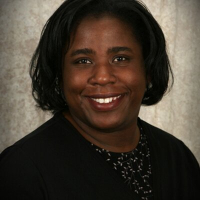
About Ericka
Ericka Bassey is a licensed clinical social worker who focuses on helping people manage stress and anxiety. She brings 15 years of professional experience and a calm, practical manner to sessions. Ericka works with adults who are dealing with grief, depression, mood shifts, addiction concerns, and major life changes.
She trained with a Master of Social Work and holds both LCSW and LICSW credentials. Ericka has worked in clinics, hospitals, and community mental health settings.
Background and approach
That mix of settings shaped a flexible style that fits different needs and rhythms. Ericka uses straightforward, person-centered methods. She asks people what matters most and tailors tools to those goals.
Techniques often include cognitive behavior strategies to shift unhelpful thinking and dialectical skills to manage intense emotion. Mindfulness and motivational interviewing are part of her toolkit too. Mindfulness helps people notice stress and step out of automatic reactions.
Motivational interviewing supports shifts when someone is unsure about change, such as with addictions or lifestyle goals. In sessions she aims to be kind, practical, and collaborative. She helps people break problems into small, doable steps.
The goal is clearer thinking, better coping, and more control over daily life.
How therapeutic approaches are used in online sessions
Ericka often combines client-centered work with Cognitive Behavioral Therapy and Dialectical Behavior Therapy. Client-centered work means the therapist follows the person’s lead, asking what matters most and adapting sessions to those goals. Cognitive Behavioral Therapy focuses on identifying unhelpful thoughts and testing new behaviors to reduce anxiety and depression. Dialectical Behavior Therapy teaches practical skills for managing intense emotions and improving interpersonal effectiveness.Finding the right mix of techniques is part of the process. Ericka works collaboratively to decide which methods fit each person’s needs and preferences. Sessions may start with short experiments to see what helps and then build routines and tools that can be practiced between meetings.
Online formats include video calls, phone sessions, live chat, and text-based messaging. Video calls allow face-to-face conversation and visual cues. Phone sessions are useful when bandwidth is limited or a person prefers voice only. Live chat and text messages can support brief check-ins, skill practice, or ongoing encouragement between longer sessions. These options make scheduling easier and help therapy fit into busy lives.
Questions people ask
What concerns does Ericka help with?
What is her therapeutic style like?
How long has she worked in mental health?
Where is she based and what are her credentials?
Can sessions be offered in other languages or internationally?
Which session formats are available?
How is cost handled?
What do I do to begin working with her?
What this therapist works with
Most often
- Stress, Anxiety
- Grief
- Anger management
Also listed
- Abandonment
- Addictions
- Aging and geriatric issues
- Bipolar disorder
- Career difficulties
- Caregiver issues and stress
- Codependency
- Communication problems
- Compassion fatigue
- Coping with life changes
- Depression
- Dissociation
- Divorce and separation
- Family conflicts
- Family of origin issues
- Forgiveness
- HIV / AIDS
- Life purpose
- Mood disorders
- Multicultural concerns
- Panic disorder and panic attacks
- Parenting issues
- Post-traumatic stress
- Pregnancy and childbirth
- Prejudice and discrimination
- Self esteem
- Self-harm
- Trauma and abuse
- Women's issues
- Workplace issues
Therapeutic approaches
- Experience
- 15 years
- Licensed
- Minnesota, Illinois
- Languages
- English
We will earn a commission if you sign up through our link, at no cost to you.