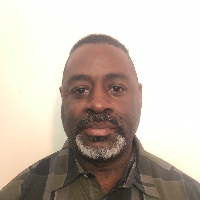
About Dwayne
Dwayne Kilgore is a licensed professional counselor who focuses on trauma-related concerns and anxiety. He brings six years as an LPC and many more years leading Christian lay counseling in the Dallas area. He works in plain, direct ways so people can start feeling better and regain control.
Dwayne commonly addresses trauma and post-traumatic stress and also helps with anxiety, panic, depression, grief, and mood concerns. He supports people dealing with relationship strain, communication problems, fatherhood issues, and struggles with self-esteem and intimacy.
Background and approach
Veterans and those affected by disaster-related stress are among the people he has worked with. His style is warm, supportive, and interactive. Sessions blend practical techniques with conversation about real-life challenges.
Dwayne uses Cognitive Behavioral Therapy to identify unhelpful thinking and change behavior patterns that keep problems going. For trauma and PTSD he uses trauma-focused work, including Cognitive Processing Therapy, to help people make sense of what happened and reduce the hold those memories have.
He also employs motivational interviewing and solution-focused strategies to set clear goals and build steps that fit a person's life. Dwayne aims to empower people to take back control of areas that feel overwhelming. He offers video, phone, chat, and text formats so therapy can fit different schedules and needs.
Sessions are provided in English and are offered from his Texas practice. To begin, a prospective client completes a short matching questionnaire and schedules a time that works with the therapist's availability. The subscription used for sessions can be canceled at any time.
Online approaches for trauma and anxiety
He often uses Cognitive Behavioral Therapy to help people notice unhelpful thoughts and try specific new behaviors that reduce anxiety and improve mood. CBT is practical and focused on small changes that add up over time.He also uses Trauma-Focused Therapy, including Cognitive Processing Therapy, to help people process traumatic events and reduce the intensity of traumatic memories. This approach helps clients make sense of painful experiences so memories have less influence on day-to-day life.
Choosing the right approach is a collaborative process. The therapist will discuss goals, preferences, and how symptoms show up, then adapt methods to fit the person's situation and comfort. People often try a mix of methods and adjust as progress is made.
Online formats include video calls, phone sessions, live chat, and text-based messaging to provide flexibility. Video sessions are useful for in-depth conversations and visual connection, phone sessions work well when bandwidth is limited, live chat fits quick check-ins, and text messaging supports ongoing reflection between sessions. These options make it easier to fit therapy into work, family, or travel schedules while keeping continuity of care.
Questions people ask
What kinds of concerns does he address?
What is his approach to therapy?
How much clinical experience does he have?
Where is he based and what are his credentials?
Which languages are supported in sessions?
Can people outside the United States work with him?
What session formats are available?
How are fees and scheduling handled?
What this therapist works with
Also listed
- Anger management
- Bipolar disorder
- Codependency
- Communication problems
- Coping with natural or human-caused disaster
- Family problems
- Fatherhood issues
- Forgiveness
- Grief
- Intimacy-related issues
- Life purpose
- Men's issues
- Money and financial issues
- Mood disorders
- Panic disorder and panic attacks
- Post-traumatic stress
- Self esteem
- Social anxiety and phobia
- Veteran and Armed Forces Issues
Therapeutic approaches
- Experience
- 6 years
- Licensed
- Texas
- Languages
- English
We will earn a commission if you sign up through our link, at no cost to you.