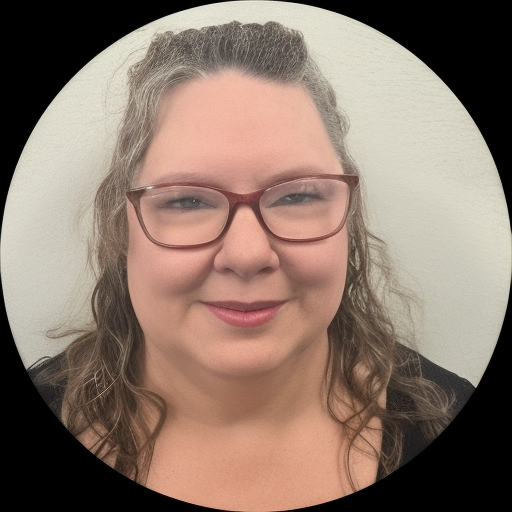
About Donice
Donice Holbrook is a Licensed Clinical Social Worker with two decades of experience helping people manage anxiety, stress, depression, and addiction. She focuses on clear, practical support that helps people get through hard moments and build stronger day-to-day coping skills. Her sessions are direct and respectful.
She listens first, then helps people set straightforward goals. Conversations focus on what is happening now and on small steps that can make a difference in mood, sleep, and relationships.
Background and approach
Holbrook draws on evidence-based therapeutic techniques and a faith-informed perspective to match care to each person's values. That means she offers tools that fit routines, beliefs, and the realities of work and family life. She emphasizes skill-building for panic attacks, obsessive thoughts, low self-esteem, and addiction-related challenges.
Over twenty years she has worked with a wide range of concerns, including aging and geriatric issues, cancer and hospice support, adoption and foster care matters, and financial stress. She also addresses co-occurring health problems such as HIV/AIDS and substance use alongside mood concerns. Sessions are offered in English and conducted from California.
She provides phone, video, live chat, and text-based messaging options so people can choose what works best for their schedule. Getting started involves a short matching questionnaire and scheduling a first session.
Evidence-based approaches and flexible online care
Donice uses evidence-based therapeutic techniques that focus on practical skills and clear goal setting. One common approach involves teaching coping and relaxation strategies to manage panic attacks and high anxiety, helping people recognize triggers and practice breathing and grounding exercises. Another approach emphasizes behavioral planning and routine changes to lift mood and reduce depressive symptoms, breaking problems into small, doable steps that build momentum.Choosing the right approach is part of the work together. She collaborates with each person to match techniques to their goals, values, and daily routines, and adjusts the plan as progress is made. This collaborative process helps make therapy feel relevant and manageable.
Online therapy formats include video calls, phone sessions, live chat, and text-based messaging. Video calls are useful for fuller conversations and visual cues, while phone sessions can fit into a work break or require less bandwidth. Live chat and text messaging are good for short check-ins, homework reminders, or when people prefer writing their thoughts. These options provide flexibility so people can fit care into busy lives.
Questions people ask
What kinds of problems does this therapist help with?
How would you describe the therapy style?
What is her clinical background?
What credentials and location are listed?
Which languages are sessions offered in?
What session formats are available?
How is cost handled for sessions?
How do I begin working with this therapist?
What this therapist works with
Most often
Also listed
- Adoption and foster care
- Aging and geriatric issues
- Bipolar disorder
- Cancer
- Co-morbidity
- Communication problems
- Depression
- Domestic violence
- Drug and alcohol addiction
- HIV / AIDS
- Hospice and end-of-life counseling
- Money and financial issues
- Obsessions, compulsions, and OCD
- Panic disorder and panic attacks
- Self-harm
- Self-love
- Social anxiety and phobia
- Women's issues
- Experience
- 20 years
- Licensed
- California
- Languages
- English
We will earn a commission if you sign up through our link, at no cost to you.