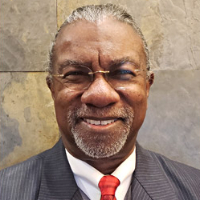
About Denauvo
Dr. Denauvo Robinson is a licensed clinical mental health counselor with 48 years of experience. He practices in North Carolina and brings long-term experience from university centers, community agencies, residential settings, and independent practice.
He works with adults on concerns such as anxiety and stress, relationship and intimacy challenges, grief, and parenting strains. He uses a blend of practical methods in sessions. Clients can expect conversations that focus on current problems and everyday skills.
Background and approach
He aims to help people find strengths inside themselves and develop tools to manage what feels overwhelming. His background includes many years supervising counselors in university settings and running a independent practice for more than fifteen years. That mix gives him experience with crisis situations, court-involved clients, and social services contexts as they relate to adult treatment.
Session work often draws on client-centered listening to understand what matters most to the person. He also uses cognitive-behavioral methods to address unhelpful thinking and patterns. Hypnotherapy and psychodynamic ideas may be used when they fit a client’s goals and preferences.
Dr. Robinson offers a straightforward, respectful approach meant to help people make steady changes. He talks through concrete steps, helps set realistic goals, and supports clients while they practice new ways of coping.
He invites prospective clients to begin by completing a short matching questionnaire and scheduling a first session.
Approaches and online care that fit your life
Client-centered therapy focuses on listening and understanding a person’s priorities. The therapist follows the client’s lead, helps clarify what matters most, and supports the person in making choices that match their values and goals.Cognitive behavioral therapy, or CBT, looks at thoughts and behaviors that keep problems going. It teaches practical strategies to change unhelpful thinking patterns and to build new habits for managing anxiety, stress, and mood concerns.
Finding the right approach is part of the work. The therapist will discuss options and make decisions together based on a person’s needs, goals, and preferences. That collaborative planning helps shape which methods are used and how sessions proceed.
Online therapy brings flexibility through video calls, phone sessions, live chat, and text-based messaging. Video is useful when visual connection helps the conversation, while phone calls can be easier when bandwidth is limited or a shorter check-in is needed. Live chat or text messaging can fit brief updates, coaching-style support, or moments when writing feels more comfortable. These formats make it easier to fit therapy into a busy schedule and to maintain continuity from different locations.
Questions people ask
What kinds of concerns does he help with?
What is his therapy style like?
How long has he practiced?
Where is he located and licensed?
Which languages are supported?
What session formats are available?
How are fees handled?
How do I begin working with him?
What this therapist works with
Most often
- Relationship issues
- Family conflicts
- Grief
Also listed
- Aging and geriatric issues
- Anger management
- Body image
- Career difficulties
- Coaching
- Commitment issues
- Communication problems
- Compassion fatigue
- Coping with life changes
- Depression
- Divorce and separation
- Domestic violence
- Fatherhood issues
- Forgiveness
- Guilt and shame
- Infidelity
- Intimacy-related issues
- LGBT
- Life purpose
- Men's issues
- Midlife crisis
- Multicultural concerns
- Parenting issues
- Polyamory / non-monogamous relationships
- Prejudice and discrimination
- Self esteem
- Sex addiction
- Sexual dysfunction
- Sexuality
- Social anxiety and phobia
- Stress, Anxiety
- Trauma and abuse
- Workplace issues
Therapeutic approaches
- Experience
- 48 years
- Licensed
- North Carolina
- Languages
- English
We will earn a commission if you sign up through our link, at no cost to you.