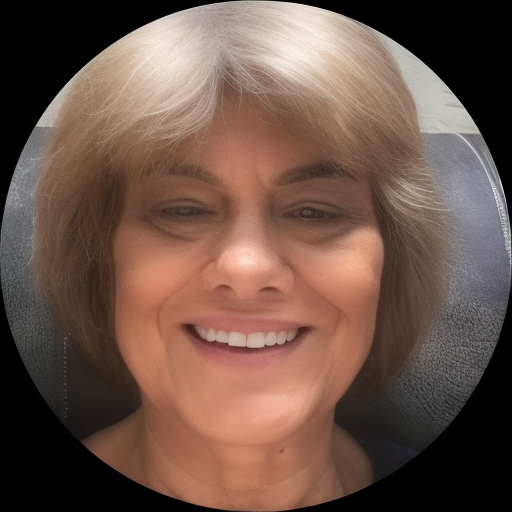
About Deborah
Deborah Smart is a licensed mental health counselor with 22 years of experience. She trained in education and counseling and now focuses on helping people manage stress, anxiety, depression, trauma, and relationship struggles. Deborah brings a warm, collaborative style to sessions and aims to help clients take practical steps toward feeling better.
She uses clear, straightforward work in the room. Deborah helps people improve communication, manage intense emotions, and make sense of past hurts so they can move forward.
Background and approach
She also integrates faith-based concerns for clients who ask for Christian counseling. Her background includes work across multiple counseling settings, where she developed skills with mood disorders, grief, parenting stress, and caregiver strain. Deborah draws on approaches like attachment-focused work, cognitive techniques, mindfulness, and emotion-focused methods to address those concerns.
Sessions tend to focus on small, doable changes. She helps clients learn new skills, practice different ways of relating, and set concrete goals for daily life. The aim is clearer thinking, steadier moods, and better connections with others.
Deborah works with adults facing midlife shifts, career stress, relationship rifts, and the aftermath of trauma or loss. She emphasizes partnership in therapy and offers practical tools alongside empathetic listening to support steady progress.
Approach-focused care delivered online
Deborah often blends attachment-based work with cognitive behavioral techniques to address anxiety, relationship patterns, and trauma-related worries. Attachment-based work looks at how early connections shape current relationships and helps people build more supported ways of relating. Cognitive behavioral therapy (CBT) focuses on identifying unhelpful thoughts and testing new behaviors to reduce anxiety and improve mood.She also works with mindfulness and emotionally-focused ideas to help people notice feelings without being swept away by them and to deepen emotional clarity in close relationships. Choosing the right approach is a collaborative process - the therapist and client talk about goals, try methods, and adjust based on what feels helpful and what fits the person's life.
Online sessions are offered by video calls, phone, live chat, or text-based messaging so therapy can fit into busy days. Video is useful for full conversations and emotional work, phone can be easier when bandwidth is limited, and chat or text sessions make short check-ins and practice between sessions simple. These options make scheduling more flexible and let people keep steady momentum without extra travel.
Questions people ask
What concerns does Deborah often address?
How would you describe her approach in sessions?
What is her clinical background and experience?
Where is she licensed and based?
Which languages are offered for sessions?
What session formats are available?
How are sessions paid for and what do they cost?
How do I begin working with her?
What this therapist works with
Most often
- Stress, Anxiety
- Relationship issues
- Trauma and abuse
Also listed
- ADHD
- Aging and geriatric issues
- Anger management
- Bipolar disorder
- Blended family issues
- Career difficulties
- Caregiver issues and stress
- Coaching
- Communication problems
- Compassion fatigue
- Control issues
- Coping with life changes
- Depression
- Divorce and separation
- Emptiness
- Family conflicts
- Family of origin issues
- Family problems
- Forgiveness
- Grief
- Guilt and shame
- Infidelity
- Intimacy-related issues
- Isolation / loneliness
- Life purpose
- Midlife crisis
- Mood disorders
- Parenting issues
- Post-traumatic stress
- Postpartum depression
- Self esteem
- Self-love
- Social anxiety and phobia
- Veteran and Armed Forces Issues
- Women's issues
- Young adult issues
Therapeutic approaches
- Experience
- 22 years
- Licensed
- Florida
- Languages
- English
We will earn a commission if you sign up through our link, at no cost to you.