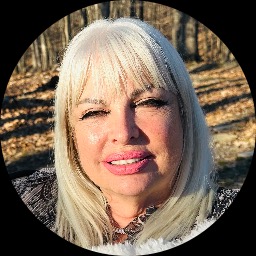
About Dawn
Dawn Byrne, MD, LCPC combines practical skills teaching with warm, person-focused counseling. She draws on 25 years of experience to help people manage anxiety, addiction, relationship strain, and life transitions. Her approach is straightforward and skills-based, aimed at everyday problems people bring into sessions.
She spent time in independent practice, community psychiatry programs, employee assistance programs, and addiction recovery clinics. That variety means she is comfortable addressing both slow-moving concerns and urgent problems that need quick attention.
Background and approach
Her background includes work as a crisis interventionist in an emergency room and a decade as a corporate trainer teaching coping skills. Sessions focus on clear, usable tools. She uses cognitive-behavioral techniques to address anxious thoughts and behaviors.
Attachment-based ideas help people understand relationship patterns and improve communication. Motivational interviewing and narrative methods are used when people want to make life changes or rethink their story. Dawn emphasizes skill-building for everyday life - self-management, setting boundaries, managing conflict, and relapse prevention.
She blends teaching with conversation so people leave with specific steps they can try right away. She also supports those dealing with grief, trauma, eating concerns, and career stress. People seeking help will find a calm, direct clinician who aims to make progress practical and measurable.
Dawn works from Maryland and offers several online session formats to fit different schedules and needs.
How her approaches shape online therapy
Attachment-Based Therapy looks at how early relationship patterns show up now. It can help people understand worries about closeness, improve communication, and change repeated conflict cycles. Cognitive Behavioral Therapy, or CBT, focuses on the link between thoughts, feelings, and actions. It teaches practical exercises to reduce anxious thinking, manage panic symptoms, and change unhelpful behavior patterns.Choosing the right approach is a collaborative process. The therapist will talk with the client about goals, preferences, and what has or hasn’t helped before. Together they decide which methods to try and adjust the plan as needed based on progress and feedback.
Online sessions are offered by video call, phone, live chat, or text-based messaging to fit different schedules and needs. Video calls work well for deeper conversations and skill demonstrations. Phone sessions can be useful when bandwidth is limited or when a quieter check-in is needed. Live chat and text messaging are convenient for brief check-ins, tracking progress, or getting reminders about new skills between sessions.
Questions people ask
What kinds of concerns does Dawn help with?
What is her therapeutic style like?
How much experience does she have?
Where is Dawn based and what are her credentials?
Which languages are offered for sessions?
What session formats does she use?
How does payment and cost work?
How do I begin working with her?
What this therapist works with
Most often
- Addictions
- Relationship issues
- Family conflicts
Also listed
- Anger management
- Attachment issues
- Career difficulties
- Caregiver issues and stress
- Coaching
- Codependency
- Communication problems
- Compassion fatigue
- Coping with life changes
- Depression
- Drug and alcohol addiction
- Eating and food-related issues
- Eating disorders
- Family of origin issues
- Family problems
- First responder issues
- Grief
- Intimacy-related issues
- Life purpose
- Midlife crisis
- Mood disorders
- Panic disorder and panic attacks
- Post-traumatic stress
- Self esteem
- Self-love
- Stress, Anxiety
- Trauma and abuse
- Women's issues
- Workplace issues
- Young adult issues
Therapeutic approaches
- Experience
- 25 years
- Licensed
- Maryland
- Languages
- English
We will earn a commission if you sign up through our link, at no cost to you.