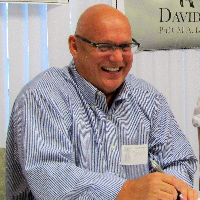
About David
David Gibbs is a licensed mental health counselor who aims to help people who are feeling overwhelmed by stress or anxiety. He speaks plainly and focuses on practical steps to ease daily struggles. Many seek him out for help with addiction, grief, low self-esteem, or major life changes.
He has two decades of counseling experience across mental health and substance use concerns. That background includes work in home-based crisis stabilization, nonprofit programs, and independent practice.
Background and approach
He has also presented at local and national conferences about mental health and substance abuse and their effects on communities. In sessions he uses several evidence-informed methods, such as cognitive behavioral strategies and acceptance-based work, alongside client-centered and mindfulness approaches. Those methods are used to help people notice unhelpful patterns, try small experiments, and build skills that fit day-to-day life.
He has written and self-published a book titled Humbug to Happiness, which grew from his belief that everyone deserves a more satisfying life. That project reflects his focus on practical change and on helping people find clearer direction. David holds licensure in Florida as a Licensed Mental Health Counselor and in Ohio as a Licensed Professional Clinical Counselor.
He offers sessions in English and works with adults facing a wide range of concerns, including relationship and intimacy issues, ADHD, trauma, and mood-related challenges.
Approaches that translate to online work
Acceptance and Commitment Therapy (ACT) helps people notice unhelpful thoughts and commit to actions that match their values. It is often useful for anxiety, avoidance, and building a life that feels meaningful. Cognitive Behavioral Therapy (CBT) focuses on identifying thinking patterns and testing them with small behavioral experiments to reduce symptoms like worry and low mood. Eye Movement Desensitization and Reprocessing (EMDR) targets distress linked to past traumatic events by using structured processing to reduce the intensity of troubling memories. Choosing the right approach is a collaborative process. The therapist will talk with the client about goals, try methods that make sense for the problem, and adjust techniques based on what helps. Clients are encouraged to give feedback so the plan can change as needed. Online therapy offers practical flexibility. Video calls allow face-to-face conversation when a deeper connection is helpful. Phone sessions work well when bandwidth or camera use is difficult. Live chat and text-based messaging provide shorter check-ins and written reflections that can fit a busy day. Together, these formats let licensed professionals deliver the same therapeutic approaches while fitting sessions into everyday life, making it easier to maintain consistency and momentum.Questions people ask
What issues does he commonly address?
What is his general therapeutic style?
How much clinical experience does he have?
Where is he licensed and based?
Which languages are supported?
What session formats are available?
How are fees and billing handled?
How do I start a therapy process with him?
What this therapist works with
Most often
- Stress, Anxiety
- Addictions
- Relationship issues
Also listed
- Abandonment
- ADHD
- Anger management
- Attachment issues
- Bipolar disorder
- Career difficulties
- Coaching
- Codependency
- Commitment issues
- Compassion fatigue
- Coping with life changes
- Depression
- Drug and alcohol addiction
- Emptiness
- Family conflicts
- Family problems
- Forgiveness
- Grief
- Guilt and shame
- Intimacy-related issues
- Jealousy
- LGBT
- Life purpose
- Parenting issues
- Self esteem
- Self-love
- Sleeping disorders
- Social anxiety and phobia
- Trauma and abuse
Therapeutic approaches
- Experience
- 20 years
- Licensed
- Florida, Ohio
- Languages
- English
We will earn a commission if you sign up through our link, at no cost to you.