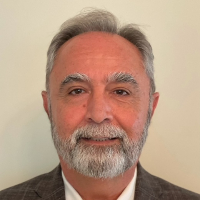
About Darius
Darius Entesary is a Licensed Professional Counselor with more than 26 years of experience. He practices from Georgia and offers therapy in English and Persian. He has worked with people facing anxiety, stress, depression, relationship struggles, and trauma.
He uses practical, down-to-earth conversations to help people reduce suffering and regain energy. Sessions focus on what is happening now and on small steps that make daily life easier. He also supports work on career worries, grief, addiction, and sleep problems.
Background and approach
Darius draws on several therapy approaches to match each person’s needs. He uses Acceptance and Commitment Therapy to help people notice thoughts and choose values-based action. He uses Cognitive Behavioral ideas to spot unhelpful thinking and test new behaviors.
Dialectical Behavior Therapy skills are offered for emotion regulation when stress or anger feels overwhelming. His style is humanistic and client-centered, meaning he aims to listen without judgment and help people feel respected. He blends tools from mindfulness and existential work to help people find meaning and rebuild hope.
This mix is adjusted to each person’s pace and goals. People who reach out can expect calm, straightforward guidance and practical tools they can use between sessions. Darius emphasizes collaboration so clients shape the work together.
He accepts international clients and offers multiple online formats to fit different schedules.
Approaches that translate well to online therapy
Acceptance and Commitment Therapy helps people notice thoughts without getting stuck in them and choose actions that match their values. It can be useful for anxiety, stress, and coping with life changes. Cognitive Behavioral Therapy focuses on spotting and testing thoughts and behaviors so daily life becomes more manageable; it works well for anxiety, depression, and sleep problems. Dialectical Behavior Therapy emphasizes skill building for emotion regulation, distress tolerance, and interpersonal effectiveness when feelings run high.Choosing the right approach is a shared process. The therapist will talk with each person about goals, preferences, and what feels most helpful. Together they adjust methods and pace so the plan fits the person’s life and needs.
Online sessions are offered by video call, phone, live chat, or text-based messaging to make therapy more flexible. Video lets people use visual cues and longer conversations. Phone sessions use less bandwidth and can be easier when movement or camera use is difficult. Live chat and text are useful for brief check-ins, journaling between sessions, or when someone prefers typed communication. These options make it easier to fit therapy into work, family, or travel schedules.
Questions people ask
What kinds of issues does he help with?
What is his therapy style like?
How long has he practiced?
Where is he based and licensed?
Can I work with him if I live outside the United States?
What session formats are available?
How are fees handled?
How do I begin working with him?
What this therapist works with
Most often
- Stress, Anxiety
- Relationship issues
- Family conflicts
Also listed
- Addictions
- Anger management
- Bipolar disorder
- Career difficulties
- Coaching
- Compassion fatigue
- Control issues
- Coping with life changes
- Depression
- Forgiveness
- Gender dysphoria
- Grief
- Immigration issues
- Intimacy-related issues
- Jealousy
- LGBT
- Life purpose
- Multicultural concerns
- Parenting issues
- Personality disorders
- Prejudice and discrimination
- Self esteem
- Self-love
- Sexuality
- Sleeping disorders
- Trauma and abuse
Therapeutic approaches
- Experience
- 26 years
- Licensed
- Georgia
- Languages
- English, Persian
We will earn a commission if you sign up through our link, at no cost to you.