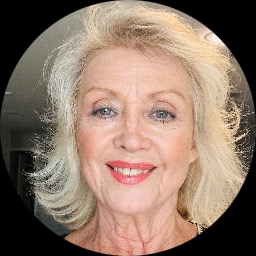
About Cynthia
Dr. Cynthia Curnan helps people manage stress and anxiety and navigate relationship, trauma, grief, and intimacy-related issues. She brings a practical style that aims to make emotional problems easier to understand.
Her tone is direct and compassionate, and she encourages clear steps toward relief. She leans on several approaches to help people untangle painful patterns. Cognitive Behavioral Therapy is used to notice and change unhelpful thinking and behavior.
Trauma-focused methods and Eye Movement Desensitization and Reprocessing are used when past events continue to cause distress.
Background and approach
Dr. Curnan emphasizes learning to recognize inner parts of the self. She teaches ways to spot perfectionism and trade it for a healthier inner drive toward excellence.
That work often includes focused breathing, meditation, and guided imagery to help people feel steadier in daily life. Her background includes a PhD in psychology and a California Licensed Marriage and Family Therapist credential. She has practiced for 32 years and has written on perfectionism and self-mastery.
Sessions combine talk therapy with techniques such as hypnotherapy, dream work, inner child exercises, and goal setting. The therapist aims to help people build self-knowledge, reduce control and guilt struggles, and move toward clearer choices about relationships, money, caregiving, and life purpose.
Therapeutic approaches and online care
Dr. Curnan uses Cognitive Behavioral Therapy to help people identify unhelpful thoughts and habits and replace them with more helpful ones, which is useful for anxiety, stress, and everyday problems. She also uses Eye Movement Desensitization and Reprocessing for people who continue to be affected by past trauma, helping reduce the intensity of upsetting memories and reactions. Trauma-focused therapy more broadly guides how traumatic experiences are understood and processed so painful patterns stop guiding current decisions.Choosing the right approach is collaborative. The therapist will talk with clients about goals, preferences, and how symptoms show up, then together pick techniques to try and adjust them over time based on what helps most.
Online work is offered by video calls, phone sessions, live chat, or text-based messaging to give flexibility. Video sessions allow face-to-face conversation and visual cues, phone can be used when bandwidth is limited, and chat or messaging can suit quick check-ins or ongoing written reflection. These options make it easier to fit therapy into busy schedules and to keep continuity when travel or other life demands arise.
Questions people ask
What concerns does she address?
What is her therapy style like?
How much clinical experience does she have?
What credentials and location apply?
Which languages and international options are available?
What session formats are offered?
How is payment handled?
How do I begin therapy with her?
What this therapist works with
Most often
- Stress, Anxiety
- Relationship issues
- Trauma and abuse
Also listed
- Abandonment
- Caregiver issues and stress
- Chronic pain, illness, and disability
- Communication problems
- Control issues
- Divorce and separation
- Forgiveness
- Grief
- Guilt and shame
- HIV / AIDS
- Hoarding
- Hospice and end-of-life counseling
- Intimacy-related issues
- Jealousy
- Life purpose
- Midlife crisis
- Money and financial issues
- Mood disorders
- Narcissism
- Panic disorder and panic attacks
- Polyamory / non-monogamous relationships
- Post-traumatic stress
- Self-love
- Social anxiety and phobia
- Women's issues
- Workplace issues
Therapeutic approaches
- Experience
- 32 years
- Licensed
- California
- Languages
- English
We will earn a commission if you sign up through our link, at no cost to you.