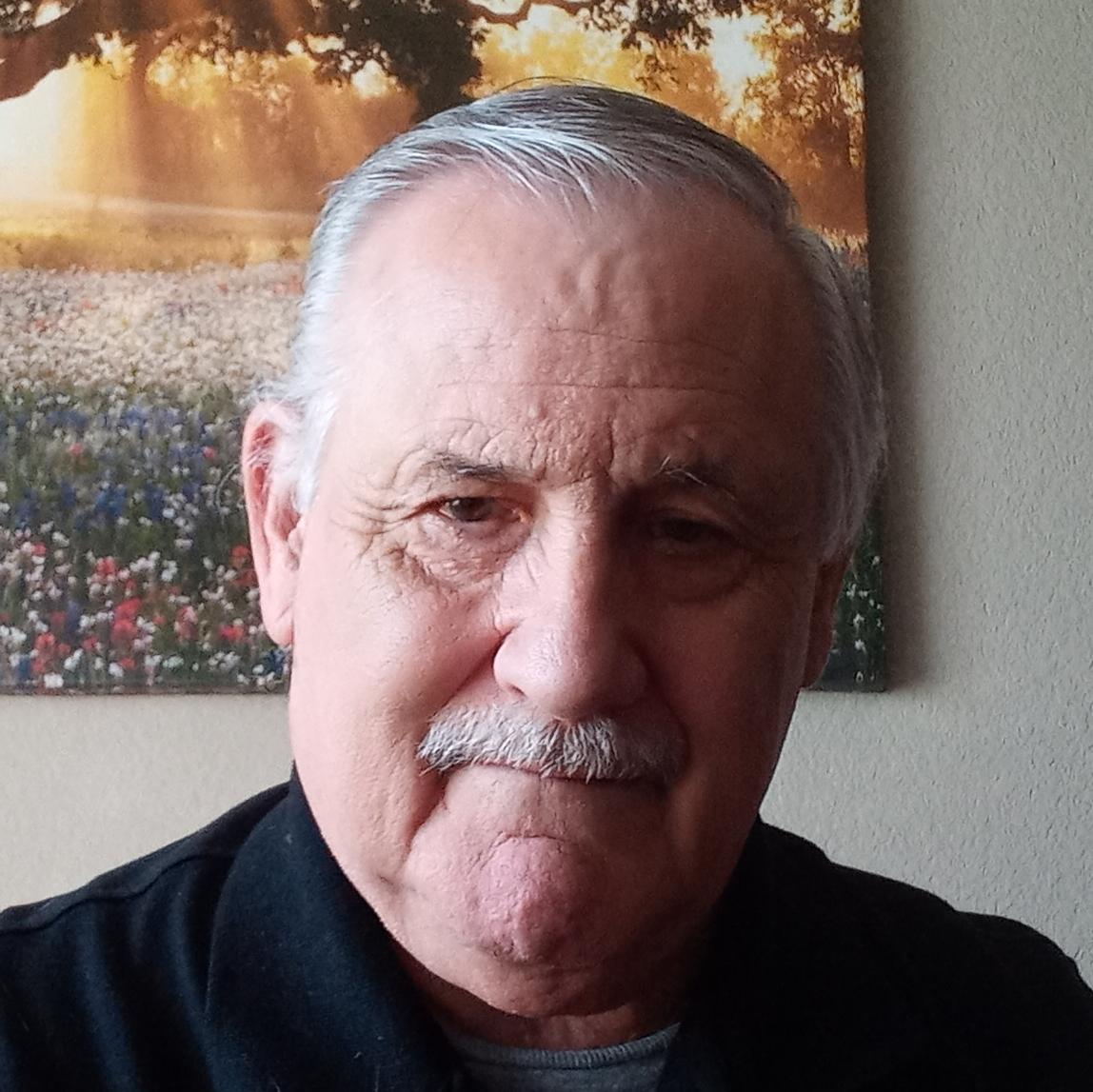
About Craig
Craig Kalman is a licensed counselor who focuses on helping people manage stress and anxiety. He brings 35 years of clinical experience to sessions and speaks English. His style is calm and nonjudgmental, with an emphasis on practical steps people can use right away.
He spent more than a decade at the National Institutes of Health supporting a broad range of staff and researchers. That role included work as an employee assistance and crisis counselor during major events, which gave him extensive front-line experience with trauma and emergency response.
Background and approach
Later work involved consulting with the Department of Defense and the U.S. military, assisting service members and their families with the stresses that follow repeated deployments. Those roles deepened his experience with grief, post-traumatic stress, panic, and other high-intensity challenges. In sessions he combines client-centered care with cognitive behavioral techniques and motivational interviewing.
He uses those tools to help people reframe thoughts, build coping skills, and set realistic goals for change. Common concerns he addresses include relationship strain, sleep and eating problems, addictions, anger, career stress, and major life transitions. He also supports people working through identity and LGBT-related concerns and seasonal mood changes.
Craig works with people who prefer video calls, phone sessions, live chat, or text messaging. He asks new clients to complete a short matching questionnaire so they can schedule sessions that fit their needs.
How therapeutic tools translate to online care
Client-Centered Therapy emphasizes listening and collaboration, helping people feel heard and guiding conversations around what matters most to them. It is useful for emotional support, relationship worries, and building motivation to change.Cognitive Behavioral Therapy focuses on identifying unhelpful thoughts and testing new behaviors. It helps with anxiety, panic, sleep and mood problems by teaching specific skills that people can practice between sessions.
Finding the right approach is part of the work. The therapist will work collaboratively to match methods to a person's goals and preferences, adjusting techniques as progress is made. This makes the process flexible and goal-oriented rather than one-size-fits-all.
Online sessions are offered as video calls, phone sessions, live chat, or text-based messaging to suit different needs. Video can support a deeper conversational feel, phone works well when bandwidth is limited, live chat is handy for brief check-ins, and text messaging allows ongoing reminders and short reflections. These options make it easier to fit therapy into a busy life and to keep continuity between appointments.
Questions people ask
What kinds of problems does this therapist help with?
What is the general therapy style and approach?
How much clinical experience does he have?
What credentials and location are listed?
Are sessions offered in other languages or internationally?
Which session formats are available?
How is cost handled for sessions?
What should I do to begin working with him?
What this therapist works with
Most often
- Stress, Anxiety
- Relationship issues
- Grief
Also listed
- Addictions
- Anger management
- Bipolar disorder
- Career difficulties
- Communication problems
- Coping with life changes
- Coping with natural or human-caused disaster
- Depression
- Eating disorders
- Family conflicts
- First responder issues
- Intimacy-related issues
- LGBT
- Panic disorder and panic attacks
- Parenting issues
- Post-traumatic stress
- Seasonal Affective Disorder (SAD)
- Self esteem
- Sleeping disorders
- Trauma and abuse
- Veteran and Armed Forces Issues
Therapeutic approaches
- Experience
- 35 years
- Licensed
- Maryland, Texas
- Languages
- English
We will earn a commission if you sign up through our link, at no cost to you.