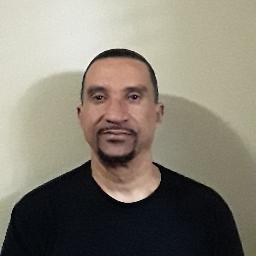
About Cornell
Cornell Anderson is a licensed mental health counselor (LMHC) based in Washington. He brings 12 years of clinical experience and a background in marriage and family therapy to his work with people facing stress and anxiety. Cornell uses straightforward talk and practical tools to help clients manage pressing problems.
He meets people where they are and focuses on what matters most to them. Sessions often include goal-setting, skill practice, and checking what is actually working in daily life.
Background and approach
He draws on approaches such as cognitive behavioral techniques and client-centered methods to shape sessions around each person's needs. Cornell also works with issues related to relationships, parenting, and family strain. He addresses mood concerns like depression and bipolar challenges, plus addictions and compulsive behaviors.
Topics such as trauma, sexual assault, intimacy problems, and identity concerns are included in his practice. He applies Acceptance and Commitment Therapy ideas and emotion-focused strategies when appropriate, helping people notice difficult feelings while taking steps toward a meaningful life. The aim is to reduce unhelpful patterns and increase workable options for coping.
Cornell communicates in plain language and prefers a collaborative pace. He helps clients weigh options, practice new responses, and track progress over time. Work with him centers on real-life changes rather than lengthy jargon.
How therapy approaches translate to online care
Cognitive Behavioral Therapy, or CBT, focuses on identifying unhelpful thoughts and testing new behaviors to reduce anxiety and improve mood. It often uses short exercises and homework that fit well into online sessions.Client-Centered Therapy emphasizes a respectful, nonjudgmental space where the client directs the pace and topics. This approach supports people who need time to make sense of feelings and decide next steps.
Acceptance and Commitment Therapy, or ACT, helps people notice difficult thoughts and feelings while committing to actions that align with their values. It can be useful for anxiety, stress, and coping with life changes and works well in a virtual setting.
Finding the right approach is a collaborative process. The therapist will talk with each person about goals, preferences, and how they respond to different methods. Together they tailor techniques and check progress as therapy continues.
Online sessions are available by video call, phone, live chat, or text-based messaging. Video is good for face-to-face conversation and visual cues. Phone sessions use less bandwidth and can be easier when a quiet space is available. Chat and messaging suit quick check-ins, short skill practice, or people who prefer typing. These options give flexibility to fit therapy into busy lives.
Questions people ask
What concerns does he address?
How would you describe his therapeutic style?
What is his clinical background?
What are his credentials and where is he located?
Which languages are offered and are international clients accepted?
What session formats are available?
How does billing and cost work?
How do I begin working with him?
What this therapist works with
Most often
- Stress, Anxiety
- Relationship issues
- Family conflicts
Also listed
- Addictions
- Anger management
- Bipolar disorder
- Career difficulties
- Coping with life changes
- Depression
- Eating disorders
- Infidelity
- Intimacy-related issues
- LGBT
- Multicultural concerns
- Obsessions, compulsions, and OCD
- Parenting issues
- Personality disorders
- Polyamory / non-monogamous relationships
- Prejudice and discrimination
- Process addiction (porn, exercise, gambling)
- Self esteem
- Self-harm
- Sex addiction
- Sexual assault and abuse
- Sexual dysfunction
- Trauma and abuse
- Veteran and Armed Forces Issues
Therapeutic approaches
- Experience
- 12 years
- Licensed
- Washington
- Languages
- English
We will earn a commission if you sign up through our link, at no cost to you.