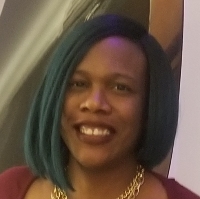
About Chinyere
Chinyere Tunsill is a licensed counselor who helps people manage anxiety, stress, depression, and related concerns. She brings a calm, direct manner and focuses on practical steps people can use between sessions. Her aim is to create a warm, accepting space where clients feel able to talk through hard things and try new ways of coping.
She draws mainly from Cognitive Behavioral Therapy, using straightforward strategies to change unhelpful thinking and behavior patterns.
Background and approach
Dialectical Behavior Therapy skills appear when people need tools for emotion regulation and distress tolerance. Motivational Interviewing helps when someone is weighing change or working through addiction-related choices. With eleven years of clinical experience, she has supported people facing trauma, grief, bipolar mood shifts, impulse control concerns, and substance use.
She also works on self-esteem, body image, communication problems, and parenting-related stress at the individual level. Her background includes a Master of Arts and an Educational Specialist degree in Mental Health Counseling, and she holds LCPC and LMHC credentials. Chinyere practices from Florida and offers sessions in English.
She accepts international clients and uses a variety of formats, including video calls, phone sessions, live chat, and text messaging. She encourages attention to sleep, exercise, and nutrition alongside therapy as part of a whole-person approach. Change can feel uncomfortable even when it’s welcome.
She aims to be a steady partner through that change, asking practical questions, sharing psychoeducation, and helping people unlock their own solutions.
How therapeutic approaches fit with online care
Chinyere commonly uses Cognitive Behavioral Therapy and Dialectical Behavior Therapy in online sessions. Cognitive Behavioral Therapy (CBT) focuses on identifying and changing unhelpful thoughts and behaviors, which helps with anxiety, depression, and coping with life changes. Dialectical Behavior Therapy (DBT) teaches skills for managing intense emotions, improving distress tolerance, and strengthening interpersonal effectiveness, which can be helpful for mood swings, impulsivity, and self-harm urges.Finding the right approach is part of the work together. She will talk with each person about their goals and preferences, and then suggest ways to combine CBT, DBT, or motivational techniques that fit. That plan can be adjusted as progress is made and new challenges appear, keeping the process collaborative and goal-focused.
Online therapy offers flexible ways to connect. Video calls allow face-to-face interaction for skill demonstrations and longer sessions. Phone sessions can be a good option when bandwidth is limited or a quick check-in is needed. Live chat and text messaging work well for brief support, skill reminders, or ongoing encouragement between sessions. These formats make it easier to fit therapy into a busy life while using the same therapeutic approaches normally used in person.
Questions people ask
What kinds of concerns does she address?
What is her therapeutic style?
How much clinical experience does she have?
What credentials and region are listed?
Which languages are supported for sessions?
Are international clients accepted?
What session formats are available?
How are costs and starting steps handled?
What this therapist works with
Most often
Also listed
- Abandonment
- Addictions
- ADHD
- Anger management
- Bipolar disorder
- Body image
- Communication problems
- Coping with life changes
- Depression
- Domestic violence
- Drug and alcohol addiction
- Guilt and shame
- Impulsivity
- Mood disorders
- Parenting issues
- Post-traumatic stress
- Self esteem
- Self-harm
- Self-love
Therapeutic approaches
- Experience
- 11 years
- Licensed
- Florida, Utah, New Jersey, Massachusetts, Nevada
- Languages
- English
We will earn a commission if you sign up through our link, at no cost to you.