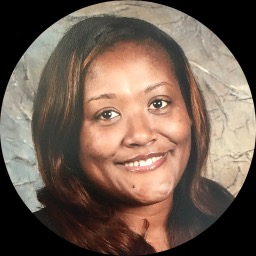
About Chancey
Chancey Fort is a Licensed Professional Counselor (LPC) who focuses on stress, anxiety, relationships, anger, depression, and compassion fatigue. She has 18 years of experience helping people manage mood and behavior challenges. Her approach is warm and practical for people looking for straightforward support.
She adapts methods to each person rather than using one fixed style. Sessions mix talk, skills practice, and real-world steps so people leave with tools they can use.
Background and approach
Chancey aims to make therapy feel down-to-earth and useful on busy days. Her background includes long work in school settings and community mental health. That experience shaped how she helps people with communication problems, attachment concerns, and workplace stress.
She also supports those coping with grief, shame, isolation, and questions about life purpose. Chancey draws on several well-known approaches to guide sessions. She uses cognitive behavioral techniques to spot unhelpful patterns, client-centered methods to listen deeply, and elements of dialectical behavior therapy to teach coping skills.
The Gottman Method informs her work around relationship communication. Sessions move at a practical pace. Chancey helps people set small goals and practice new ways of responding between meetings.
She focuses on reducing symptoms and improving everyday functioning so clients can feel more in control and connected.
How online approaches and therapy methods work together
Acceptance and Commitment Therapy (ACT) helps people notice thoughts without getting stuck in them and clarify what matters most. ACT can help with anxiety, avoidance, and finding direction. Cognitive Behavioral Therapy (CBT) focuses on identifying unhelpful thinking and changing behavior through practical exercises and homework. CBT is often used for anxiety, depression, and mood shifts. Client-Centered Therapy gives people space to be heard and understood; the therapist follows the client's lead and supports self-directed change.Finding the right approach is a collaborative process. The therapist will discuss goals, try methods that fit the person, and adjust plans based on what helps. Clients and the therapist work together to choose techniques that match needs and preferences rather than relying on a single fixed method.
Online therapy offers several practical benefits for working this way. Video calls allow face-to-face conversation and demonstrations of skills. Phone sessions can be a simpler option when bandwidth is limited or when someone prefers not to be on camera. Live chat or text messaging supports quick check-ins, brief exercises, or ongoing coaching between sessions. These options make it easier to fit therapy into a busy life and practice skills in real time.
Questions people ask
What concerns does Chancey address?
How would you describe her therapeutic style?
What is her experience working in the field?
What credentials and region are listed for Chancey?
Are sessions available in other languages or internationally?
Which session formats are offered?
How are costs handled for therapy?
What are the first steps to begin working together?
What this therapist works with
Most often
- Stress, Anxiety
- Relationship issues
- Anger management
Also listed
Therapeutic approaches
- Experience
- 18 years
- Licensed
- Mississippi
- Languages
- English
We will earn a commission if you sign up through our link, at no cost to you.