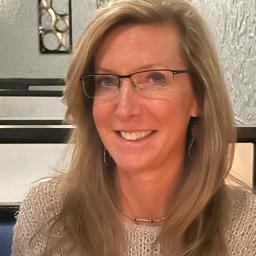
About Cecelia
Cecelia Myers is a Licensed Professional Counselor (LPC) with two decades of clinical experience. She trained in psychology and counseling at the University of North Carolina at Charlotte and has practiced across stages of life. Her work often centers on anxiety, stress, mood concerns, and the effects of trauma and loss.
She believes in meeting people where they are. Sessions begin with listening to immediate concerns and building a plan that fits each person's needs.
Background and approach
Cecelia mixes practical skills with conversations about values and goals so people can manage symptoms and move toward what matters to them. Her background includes work with adoption and foster care challenges, attachment questions, blended family issues, parenting support, and postpartum concerns. She also addresses grief, anger, obsessive-compulsive patterns, seasonal mood shifts, and compassion fatigue.
She draws on knowledge of development and early life to inform her approach. Cecelia uses a blend of approaches tailored to the person in front of her. She uses Acceptance and Commitment Therapy to help clients clarify values, Cognitive Behavioral Therapy to address unhelpful thoughts and behaviors, and Mindfulness strategies to reduce reactivity.
Motivational Interviewing and client-centered techniques shape how she collaborates with people. Clients work with her by phone, video, live chat, or text messaging from North Carolina. She holds LPC credentials in South Carolina and Georgia as well.
The focus is on steady, practical progress and finding coping tools that fit daily life.
Approach and online care that fits your life
Acceptance and Commitment Therapy (ACT) focuses on clarifying what matters to you and taking action toward those values even when anxiety or worry is present. Cognitive Behavioral Therapy (CBT) helps people identify and change unhelpful thoughts and behaviors that keep symptoms going. Client-Centered Therapy emphasizes a respectful, nonjudgmental relationship where the therapist follows the client's lead and offers empathic support.Finding the right approach is part of the work. The therapist will discuss goals and preferences and adjust methods as needed. This is a collaborative process aimed at choosing strategies that make sense for daily life and the challenges you bring.
Online formats include video calls, phone sessions, live chat, and text-based messaging. Video sessions are useful when visual cues help the conversation. Phone calls work well when bandwidth is limited or a quick, focused session is needed. Live chat and messaging let people check in, track progress, or continue short conversations between longer sessions. These options make it easier to fit therapy into school, work, or busy family life.
Questions people ask
What kinds of problems does she help with?
How would you describe her therapy style?
How much clinical experience does she have?
Where is she based and what are her credentials?
Which languages are supported for sessions?
What session formats are available?
How are costs handled?
What are the first steps to begin therapy?
What this therapist works with
Most often
- Stress, Anxiety
- Family conflicts
- Parenting issues
Also listed
- Adoption and foster care
- Anger management
- Attachment issues
- Blended family issues
- Communication problems
- Compassion fatigue
- Coping with life changes
- Depression
- Divorce and separation
- Family of origin issues
- Family problems
- First responder issues
- Grief
- Guilt and shame
- Obsessions, compulsions, and OCD
- Postpartum depression
- Relationship issues
- Seasonal Affective Disorder (SAD)
- Self esteem
- Social anxiety and phobia
- Trauma and abuse
- Women's issues
- Young adult issues
Therapeutic approaches
- Experience
- 20 years
- Licensed
- North Carolina, Georgia, South Carolina
- Languages
- English
We will earn a commission if you sign up through our link, at no cost to you.