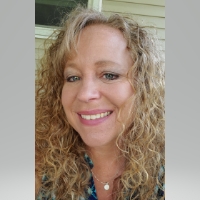
About Catherine
Catherine Heil is a Licensed Clinical Social Worker with 12 years of clinical experience. She helps people manage stress, anxiety, depression, trauma, and relationship and intimacy concerns. Catherine offers a straightforward, practical approach when someone is feeling overwhelmed.
She works in English and is based in Missouri. Her background includes inpatient and outpatient mental health settings and work inside correctional institutions. She completed a Master of Social Work at the University of Missouri, Columbia and holds a Missouri LCSW.
Background and approach
That mix of settings means she has seen a wide range of challenges and recovery paths. Catherine’s style is warm and client-centered. Sessions focus on clear goals and actionable steps.
She uses interventions that help people notice unhelpful thinking, test new behaviors, and build coping skills. Common tools in her work include cognitive behavioral techniques to identify thinking patterns and solution-focused strategies to set practical short-term goals. Motivational interviewing helps when someone is ambivalent about change.
These methods are used to address problems like anxiety, addictions, grief, and obsessive behaviors. People who choose Catherine can expect a hands-on, collaborative process. She aims to teach skills that can be used between sessions.
The overall focus is on improving day-to-day functioning and helping people move toward the life they want.
Therapeutic approaches and flexible online sessions
Acceptance and Commitment Therapy helps you notice thoughts and feelings without getting stuck in them, then identify what matters and take small steps toward those values. It can be useful for anxiety, stress, and life changes. Cognitive Behavioral Therapy focuses on spotting unhelpful thinking and testing different behaviors to reduce symptoms like anxiety, compulsions, or low mood. It is practical and skill-based for problems that recur in daily life.Finding the right approach is part of the work. Catherine will collaborate with each person to decide which methods fit their goals and preferences. That means trying tools, checking how they work, and adjusting plans together as progress or setbacks appear.
Online sessions let people access therapy in ways that fit their schedule. Video calls allow face-to-face conversation and visual cues. Phone sessions can be a good option when lower bandwidth or hands-free time is needed. Live chat and text messaging allow brief check-ins, written reflection, or flexible communication between longer sessions. These formats make it easier to keep regular contact, practice skills between meetings, and fit therapy into a busy life.
Questions people ask
What concerns does she help with?
What is her therapeutic style like?
How many years has she practiced?
What credentials and location are listed?
Which languages are supported?
What session formats are available?
How is cost handled?
How do I begin working with her?
What this therapist works with
Most often
- Stress, Anxiety
- Trauma and abuse
- Anger management
Also listed
- Abandonment
- Addictions
- ADHD
- Antisocial personality
- Avoidant personality
- BDSM, kink, and alternative sex culture
- Bipolar disorder
- Codependency
- Compassion fatigue
- Control issues
- Coping with life changes
- Depression
- Eating disorders
- Forgiveness
- Grief
- Guilt and shame
- Infidelity
- Intimacy-related issues
- Life purpose
- Obsessions, compulsions, and OCD
- Parenting issues
- Post-traumatic stress
- Process addiction (porn, exercise, gambling)
- Relationship issues
- Self esteem
- Sex addiction
- Sexual assault and abuse
- Sexual dysfunction
Therapeutic approaches
- Experience
- 12 years
- Licensed
- Missouri
- Languages
- English
We will earn a commission if you sign up through our link, at no cost to you.